Sodium hydride → HCID 49857899, compound
Reaction equation

[C:1]1([CH:7]2[O:12][CH2:11][CH:10]([OH:13])[CH2:9][O:8]2)[CH:6]=[CH:5][CH:4]=[CH:3][CH:2]=1.[H-].[Na+].[CH2:16]([O:23][C:24]1[CH:25]=[CH:26][C:27](Cl)=[N:28][CH:29]=1)[C:17]1[CH:22]=[CH:21][CH:20]=[CH:19][CH:18]=1>CN1C(=O)CCC1>[CH2:16]([O:23][C:24]1[CH:25]=[CH:26][C:27]([O:13][CH:10]2[CH2:11][O:12][CH:7]([C:1]3[CH:2]=[CH:3][CH:4]=[CH:5][CH:6]=3)[O:8][CH2:9]2)=[N:28][CH:29]=1)[C:17]1[CH:18]=[CH:19][CH:20]=[CH:21][CH:22]=1Participants
5
Reactant 3


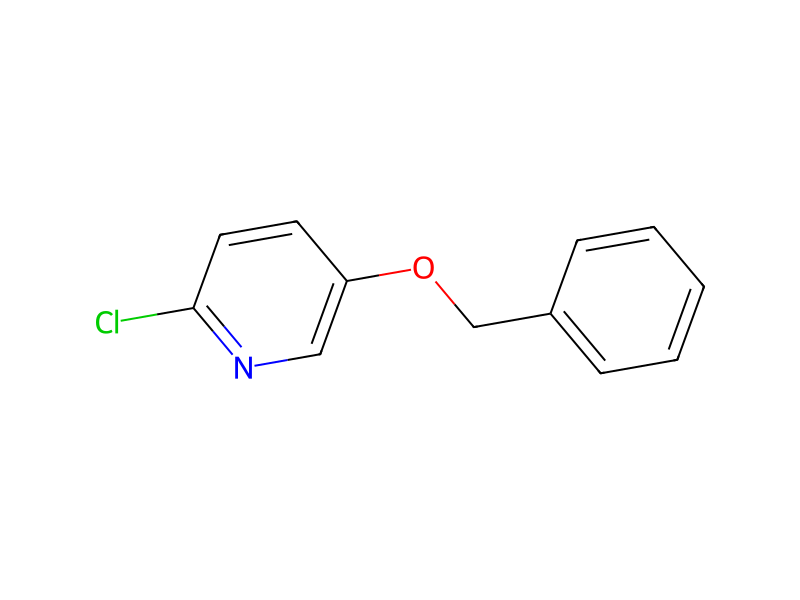
Product 1

Reagents, catalysts & solvents 1

Procedure
2-Phenyl-[1,3]dioxan-5-ol (164 mg. 910 μmol) was dissolved in 5 ml of NMP. Addition of sodium hydride (60% in oil, 72.8 mg, 1.8 mmol) was followed by stirring at RT for 30 min and, after addition of 5-benzyloxy-2-chloropyridine (200 mg, 910 μmol), stirring in a microwave reactor at 200° C. for 1 h. The reaction mixture was concentrated in vacuo, the residue was taken up in ethyl acetate and water, and the organic phase was concentrated. The resulting crude product (386 mg) was directly reacted further.
Workup
- stirringstirring in a microwave reactor at 200° C. for 1 h
- concentrationThe reaction mixture was concentrated in vacuo
- concentrationwater, and the organic phase was concentrated
- customThe resulting crude product (386 mg) was directly reacted further
Sources & evidence
- ORD record
- ord-e838367944954113ad5c2cdaa24ba304
- Source dataset
- uspto-grants-2013_06
- Patent number
- US08470841B2
Reaction notes
Loading…