Phosphorus trichloride → 2,6-Dichloro-4-nitropyridine
Reaction equation

[Cl:1][C:2]1[CH:7]=[C:6]([N+:8]([O-:10])=[O:9])[CH:5]=[C:4]([Cl:11])[N+:3]=1[O-].P(Cl)(Cl)Cl>C(Cl)CCl>[Cl:1][C:2]1[CH:7]=[C:6]([N+:8]([O-:10])=[O:9])[CH:5]=[C:4]([Cl:11])[N:3]=1Participants
4
Reactant 2
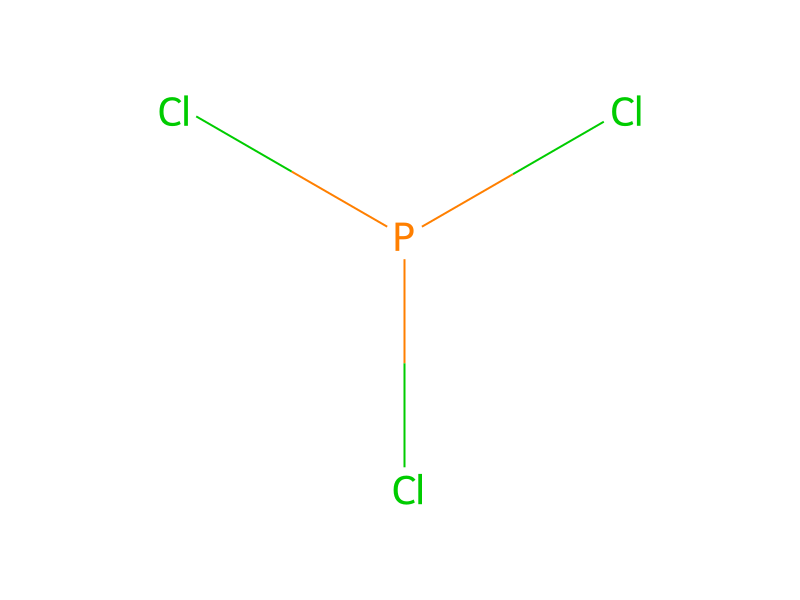

Product 1

Reagents, catalysts & solvents 1

Procedure
A solution of 20.9 gm (0.1 mol) of 2,6-dichloro-4-nitropyridine-1-oxide (J. Chem. Soc. B 1967, 1235) in 100 ml of ethylene chloride was heated to boiling and then 27.5 gm (0.2 mol) of phosphorus trichloride were added. The solution obtained was stirred for a further 8 hours under reflux and was then concentrated by evaporation in vacuo. The oily residue which remained was poured into ice water. The crystalline residue formed was recovered by suction filtration and washed neutral with water.
Workup
- customThe solution obtained
- temperatureunder reflux
- concentrationwas then concentrated by evaporation in vacuo
- additionThe oily residue which remained was poured into ice water
- customThe crystalline residue formed
- filtrationwas recovered by suction filtration
- washwashed neutral with water
Sources & evidence
- ORD record
- ord-1890f3cbbcea4747933af2f14abad8a2
- Source dataset
- uspto-grants-1984_06
- Patent number
- US04453972
Reaction notes
Loading…