Hydrochloric Acid → Piperazine, 1-(3-fluoro-2-pyridinyl)-, hydrochloride (1:2)
Reaction equation

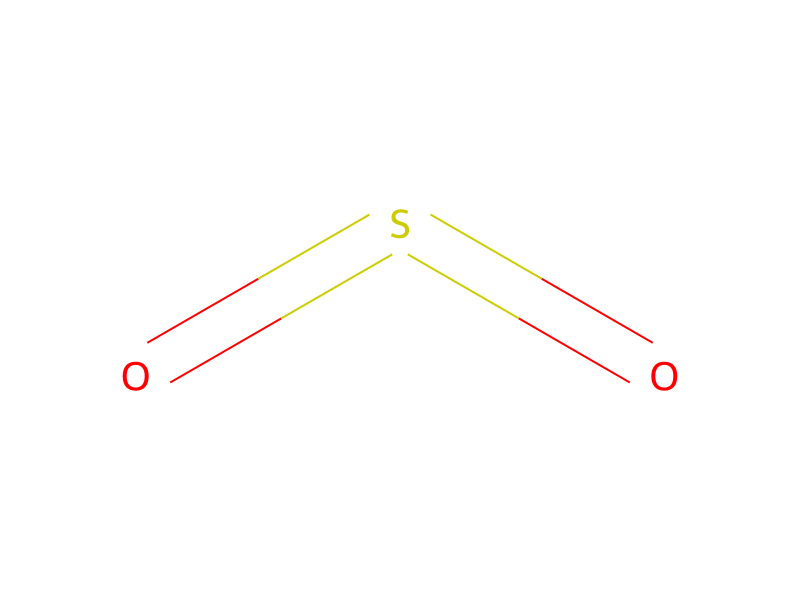
[F:1][C:2]1[C:3]([N:9]2[CH2:14][CH2:13][NH:12][CH2:11][CH2:10]2)=[N+:4]([O-])[CH:5]=[CH:6][CH:7]=1.[ClH:15].S(=O)=O>C(O)(=O)C>[ClH:15].[ClH:15].[F:1][C:2]1[C:3]([N:9]2[CH2:10][CH2:11][NH:12][CH2:13][CH2:14]2)=[N:4][CH:5]=[CH:6][CH:7]=1Participants
5
Reactant 3


Product 1

Reagents, catalysts & solvents 1

Procedure
A solution of 3-fluoro-2-piperazinylpyridine N-oxide (2 mmol) in 10 ml of glacial acetic acid is warmed to about 85° C. saturated with anhydrous hydrogen chloride gas and treated with a fine stream of sulfur dioxide for 1 hour. The acetic acid is removed under reduced pressure and the residue is crystallized from an ethanol-ethyl acetate mixture to give the title compound.
Workup
- customThe acetic acid is removed under reduced pressure
- customthe residue is crystallized from an ethanol-ethyl acetate mixture
Sources & evidence
- ORD record
- ord-81243050073c44e3ad431e31170bdb4d
- Source dataset
- uspto-grants-1984_06
- Patent number
- US04456604
Reaction notes
Loading…