Acetone → 2-[(3-Bromophenyl)thio]-3-pyridinol
Reaction equation

Br[C:2]1[C:7]([OH:8])=[CH:6][CH:5]=[CH:4][N:3]=1.[Br:9][C:10]1[CH:11]=[C:12]([SH:16])[CH:13]=[CH:14][CH:15]=1.CC(C)=O.C(OCC)(=O)C>O1CCCC1>[Br:9][C:10]1[CH:11]=[C:12]([S:16][C:2]2[C:7]([OH:8])=[CH:6][CH:5]=[CH:4][N:3]=2)[CH:13]=[CH:14][CH:15]=1Participants
6
Reactant 4


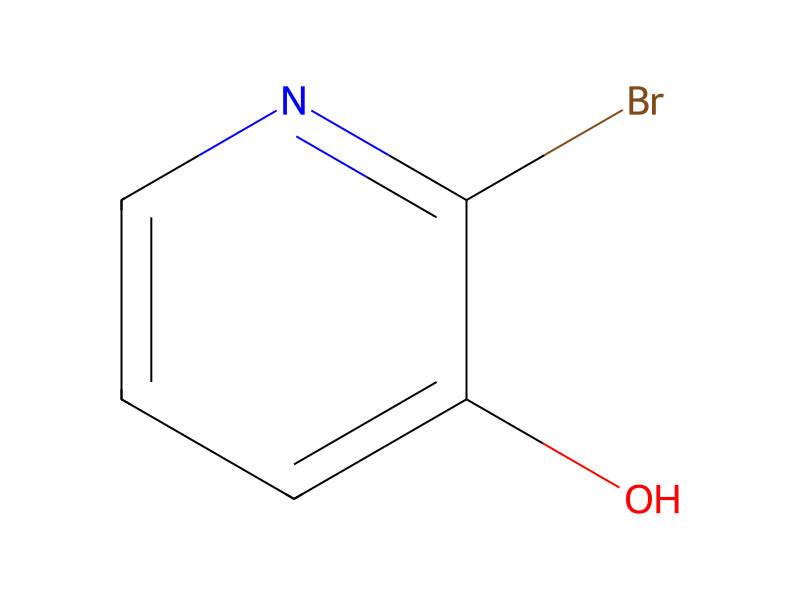
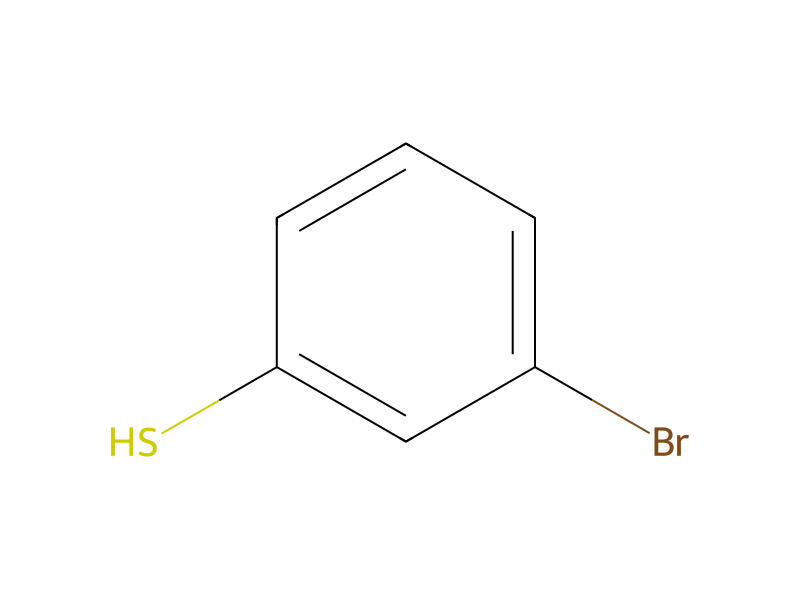
Product 1

Reagents, catalysts & solvents 1

Procedure
2-Bromo3-pyridinol (44 g, 250 mmol) and 3-bromothiophenol (30 g, 160 mmol) are dissolved in tetrahydrofuran (hereinafter, occasionally referred to as THF) (100 ml) and dimethylformaldehyde (hereinafter, referred to as DMF) (100 ml), and the mixture is heated under reflux for 5 hours. After being allowed to cool, ethyl acetate (1000 ml) is added to the mixture, and the mixture is washed with 5% aqueous sodium hydroxide solution (50 ml×2) and a saturated brine (100 ml×2), and dried over anhydrous magnesium sulfate, and concentrated under reduced pressure. The residue is recrystallized from ethyl acetate to give the title compound (35 g) as colorless crystals, m.p. 125-126° C.
Workup
- temperaturethe mixture is heated
- temperatureunder reflux for 5 hours
- temperatureto cool
- washthe mixture is washed with 5% aqueous sodium hydroxide solution (50 ml×2)
- dry with materiala saturated brine (100 ml×2), and dried over anhydrous magnesium sulfate
- concentrationconcentrated under reduced pressure
- customThe residue is recrystallized from ethyl acetate
Sources & evidence
- ORD record
- ord-a079b78735e7419c86821e4321cad618
- Source dataset
- uspto-grants-2003_04
- Patent number
- US06555557B1
Reaction notes
Loading…