2,6-Dichlorophenol → 4-Bromo-2,6-dichlorophenol
Reaction equation

[Cl:1][C:2]1[CH:7]=[CH:6][CH:5]=[C:4]([Cl:8])[C:3]=1[OH:9].[Br:10]Br.S([O-])([O-])=O.[Na+].[Na+]>C(#N)C>[Br:10][C:6]1[CH:7]=[C:2]([Cl:1])[C:3]([OH:9])=[C:4]([Cl:8])[CH:5]=1Participants
5
Reactant 3


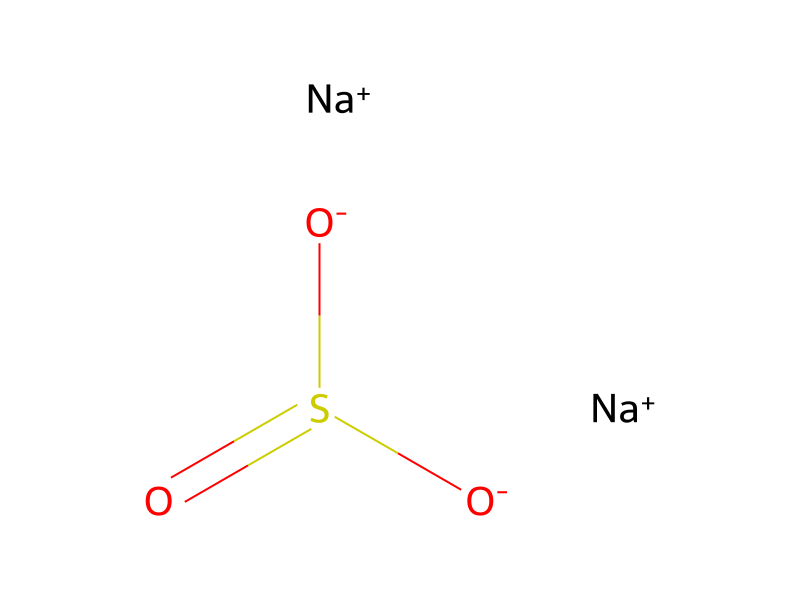
Product 1

Reagents, catalysts & solvents 1

Conditions
- Temperature
- 0 °C
Procedure
A mechanically stirred solution of 2,6-dichlorophenol (100 g) in acetonitrile (400 mL) was cooled to 0° C. and bromine (108 g) in acetonitrile (100 mL) was added dropwise. The red solution was stirred at 0° C. for an additional two hours and an saturated aqueous solution of sodium sulphite was added until the red color disappeared. The phases were separated and the aqueous phase was extracted three times with ethyl acetate. Concentration of the combined organic phases gave 4-bromo-2,6-dichlorophenol as a yellow oil, which crystallized on standing. The crystalline material was washed with water and dried to give 126 g (85%) of colorless crystals.
Workup
- customThe phases were separated
- extractionthe aqueous phase was extracted three times with ethyl acetate
Sources & evidence
- ORD record
- ord-94f8e5998f7c428ab1f681908898c327
- Source dataset
- uspto-grants-2007_04
- Patent number
- US07199265B2
Reaction notes
Loading…