Glycine → (R)-2-Octanol
Reaction equation

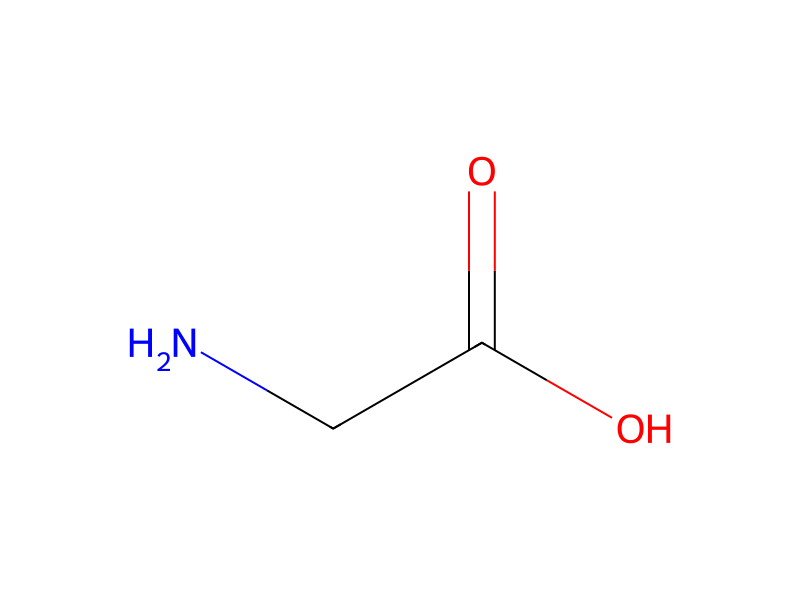
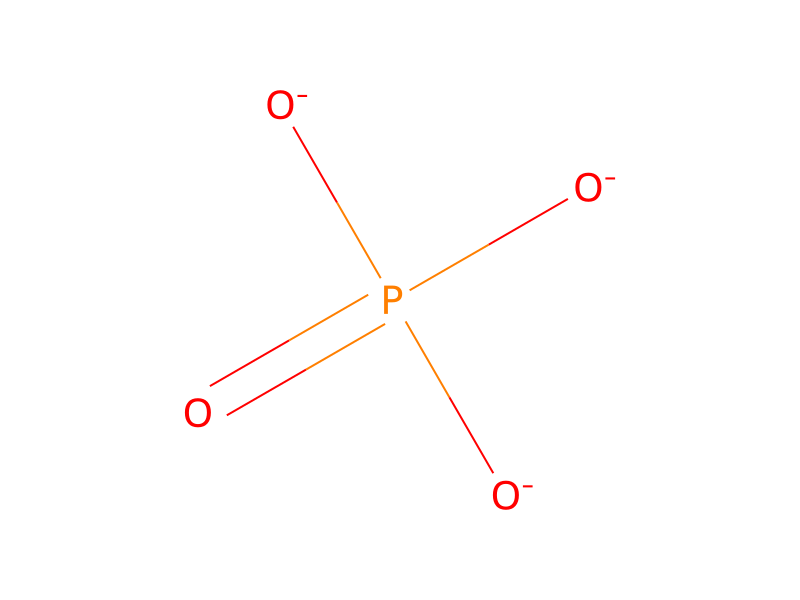
C(O[C:4](=O)[CH2:5][C:6]([CH2:8]Cl)=[O:7])C.P([O-])([O-])([O-])=O.C(O)[C:17](N)([CH2:20]O)[CH2:18]O.Cl.N[CH2:26]C(O)=O>>[CH3:8][C@@H:6]([OH:7])[CH2:5][CH2:4][CH2:26][CH2:18][CH2:17][CH3:20]Participants
5


Procedure
Then, we examined 4-chloroacetoacetic acid ethyl ester reductase activity of the enzyme obtained from Example 3 changing pH by using phosphate buffer (KPB), Tris-HCl buffer, and Glycine buffer. FIG. 2 shows relative activity with taking the maximal activity as 100. As a result, the optimum pH of the enzyme was from 5.0 to 6.5.
Workup
- customobtained from Example 3 changing pH
Sources & evidence
- ORD record
- ord-729858804ee34ed0820f31aaa24422fb
- Source dataset
- uspto-grants-2007_04
- Patent number
- US07202069B2
Reaction notes
Loading…