Isopropanol → N-{4-Chloro-5-[(4-chlorophenyl)ethynyl]pyrimidin-2-yl}formamide
Reaction equation

[Cl:1][C:2]1[C:7]([C:8]#[C:9][C:10]2[CH:15]=[CH:14][C:13]([Cl:16])=[CH:12][CH:11]=2)=[CH:6][N:5]=[C:4]([N:17]=[CH:18]N(C)C)[N:3]=1.C([OH:25])(C)C.CS(O)(=O)=O>O>[Cl:1][C:2]1[C:7]([C:8]#[C:9][C:10]2[CH:15]=[CH:14][C:13]([Cl:16])=[CH:12][CH:11]=2)=[CH:6][N:5]=[C:4]([NH:17][CH:18]=[O:25])[N:3]=1Participants
5
Reactant 3

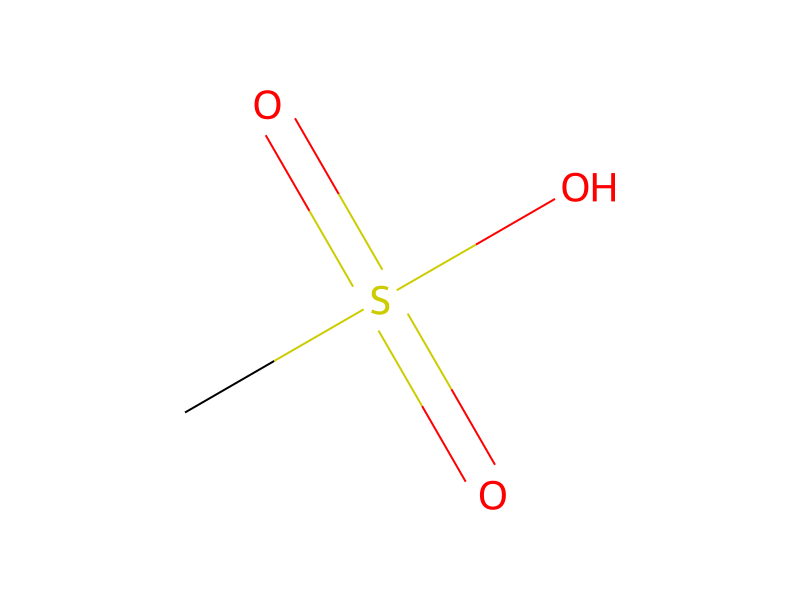

Product 1

Reagents, catalysts & solvents 1

Conditions
- Temperature
- 60 °C
Procedure
4-Chloro-5-(4-chlorophenylethynyl)-2-dimethylaminomethyleneaminopyrimidine (65.1 g), isopropanol (585 mL), and water (36 mL) were combined and warmed to 60° C. Methane sulfonic acid (23.1 g) was added and heating at 60oC was continued for 1.5–2.0 hours or until HPLC analysis confirmed the absence of the starting material. The mixture was cooled to ambient temperature and held for 1.5 hours. The solids were removed by filtration and washed with isopropanol (100 mL). The filter cake was slurried in water (500 mL), basified with 1 N NaOH to pH 11, filtered, and the solids were rinsed with water. Vacuum drying at 50° C. provided predominantly 4-chloro-5-(4-chlorophenylethynyl)-2-formamidopyrimidine: 51.6 g.
Workup
- temperatureheating at 60oC
- waitwas continued for 1.5–2.0 hours or until HPLC analysis
- temperatureThe mixture was cooled to ambient temperature
- customThe solids were removed by filtration
- washwashed with isopropanol (100 mL)
- filtrationfiltered
- washthe solids were rinsed with water
- customVacuum drying at 50° C.
Sources & evidence
- ORD record
- ord-d5877f3b71854fe0901f0cbad4d0df7a
- Source dataset
- uspto-grants-2007_04
- Patent number
- US07205297B2
Reaction notes
Loading…