Chloride 2-chloropyridinium 1-oxide → HCID 178453505, compound
Reaction equation

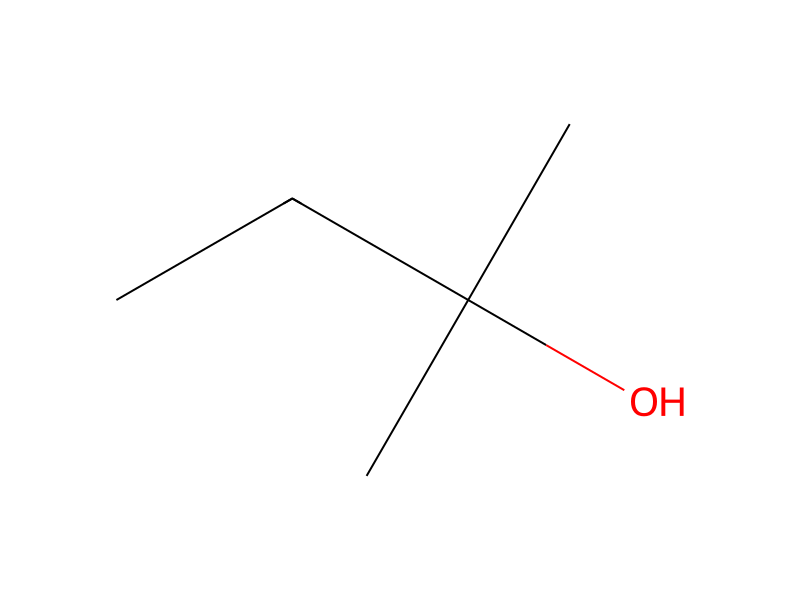
[C:1]([NH:8][CH2:9][CH2:10][CH2:11][NH2:12])([O:3][C:4]([CH3:7])([CH3:6])[CH3:5])=[O:2].Cl.Cl[C:15]1[CH:20]=[CH:19][CH:18]=[CH:17][N+:16]=1[O-:21].C([O-])(O)=O.[Na+]>C(O)(CC)(C)C.CCO>[C:4]([O:3][C:1]([NH:8][CH2:9][CH2:10][CH2:11][NH:12][C:15]1[CH:20]=[CH:19][CH:18]=[CH:17][N+:16]=1[O-:21])=[O:2])([CH3:5])([CH3:6])[CH3:7]Participants
6





Procedure
A mixture of N-Boc-1,3-diaminopropane (3.48 g, 20 mmol), 2-chloropyridine N-oxide hydrochloride (3.98 g, 24 mmol), and NaHCO3 (8.40 g, 100 mmol) in tert-amyl alcohol (50 mL) is heated at reflux under argon. After 48 h, the reaction is cooled, diluted with EtOH, filtered, and concentrated. The residue is reconcentrated from toluene and chromatographed (silica gel) to give the title compound.
Workup
- temperatureis heated
- temperatureat reflux under argon
- temperaturethe reaction is cooled
- filtrationfiltered
- concentrationconcentrated
- customchromatographed (silica gel)
Sources & evidence
- ORD record
- ord-05df74a38b1a43cf85b023cc486ce033
- Source dataset
- uspto-grants-2000_12
- Patent number
- US06159964
Reaction notes
Loading…