1-Naphthaldehyde → 2,7-Difluoro-6-hydroxy-1-(1-naphthyl)xanthene-3-one
Reaction equation

[F:1][C:2]1[CH:8]=[CH:7][C:5]([OH:6])=[CH:4][C:3]=1[OH:9].[C:10]1([CH:20]=O)[C:19]2[C:14](=[CH:15][CH:16]=[CH:17][CH:18]=2)[CH:13]=[CH:12][CH:11]=1>CS(O)(=O)=O>[F:1][C:2]1[C:3](=[O:9])[CH:4]=[C:5]2[C:7](=[CH:8][C:7]3[C:5]([O:6]2)=[CH:4][C:3]([OH:9])=[C:2]([F:1])[CH:8]=3)[C:20]=1[C:10]1[C:19]2[C:14](=[CH:15][CH:16]=[CH:17][CH:18]=2)[CH:13]=[CH:12][CH:11]=1Participants
4
Reactant 2


Product 1

Reagents, catalysts & solvents 1
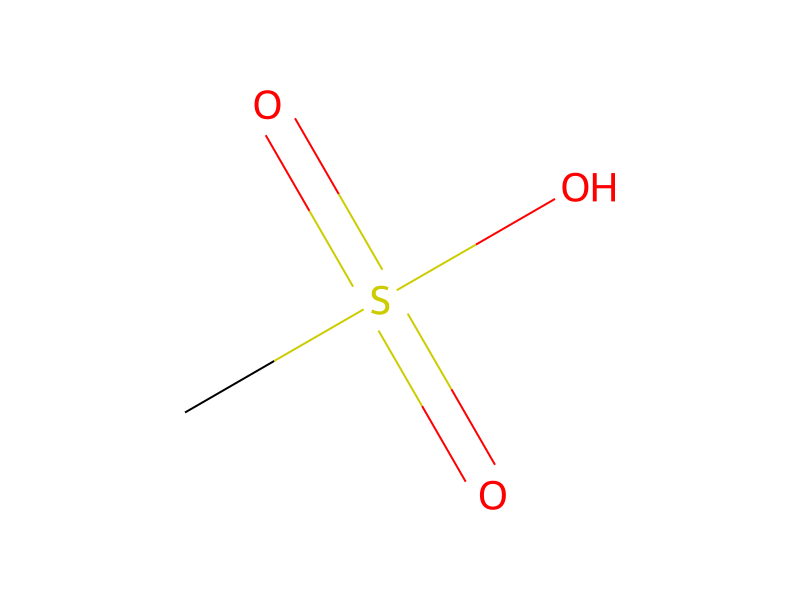
Procedure
Two equivalents of 4-fluororesorcinol (Compound 15) are condensed with one equivalent of naphthalene-1-carboxaldehyde in warm methanesulfonic acid. When the reaction is judged complete by TLC analysis, the intermediate product is precipitated from the reaction solution by the addition of an excess of water. The crude solid is collected on a Buichner funnel, and dried in vacuo. The intermediate is then dissolved in chloroform and treated with an excess of chloramine-T. When the oxidation reaction is complete, as judged by TLC, the volatiles are removed in vacuo and the crude product is purified using flash chromatography to give Compound 57.
Workup
- customthe intermediate product is precipitated from the reaction solution by the addition of an excess of water
- customThe crude solid is collected on a Buichner funnel
- customdried in vacuo
- dissolutionThe intermediate is then dissolved in chloroform
- additiontreated with an excess of chloramine-T
- customWhen the oxidation reaction
- customthe volatiles are removed in vacuo
- customthe crude product is purified
Sources & evidence
- ORD record
- ord-816f9ebc5a0445b9a4c38d48ad66e0aa
- Source dataset
- uspto-grants-2000_12
- Patent number
- US06162931
Reaction notes
Loading…