Iodine → Methyl 2,4-dichloro-3-(3-methylisoxazol-5-yl)benzoate
Reaction equation

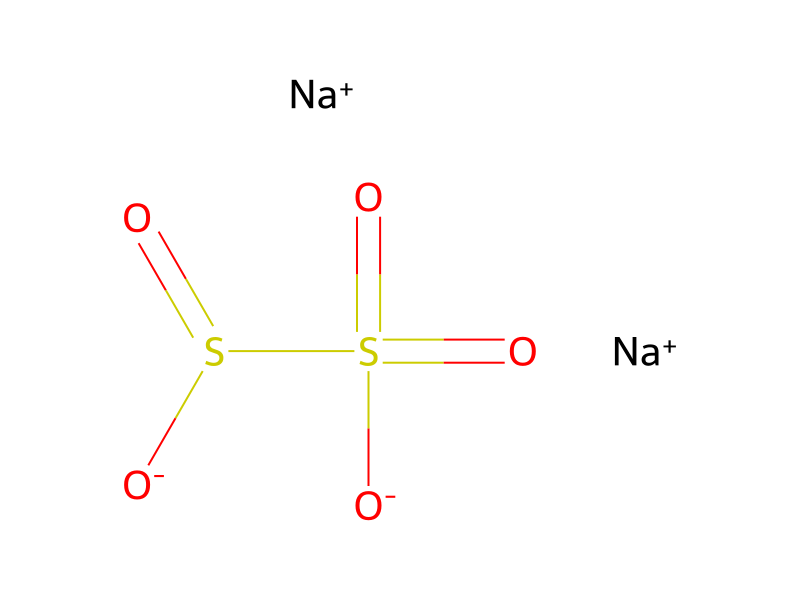
C(=O)(O)[O-].[Na+].[Cl:6][C:7]1[C:16]([CH:17]=[CH:18][C:19](=[N:21][OH:22])[CH3:20])=[C:15]([Cl:23])[CH:14]=[CH:13][C:8]=1[C:9]([O:11][CH3:12])=[O:10].[I-].[K+].II.S(S([O-])=O)([O-])(=O)=O.[Na+].[Na+]>O.O1CCCC1>[Cl:6][C:7]1[C:16]([C:17]2[O:22][N:21]=[C:19]([CH3:20])[CH:18]=2)=[C:15]([Cl:23])[CH:14]=[CH:13][C:8]=1[C:9]([O:11][CH3:12])=[O:10]Participants
Reactant 5




Product 1

Reagents, catalysts & solvents 2


Procedure
4.7 g (55.6 mmol) of sodium bicarbonate in 50 ml of water were added to 4.0 g (13.9 mmol) of methyl 2,4-dichloro-(2-hydroxyiminobut-3-en-4-yl)benzoate in 100 ml of tetrahydrofuran. Under the exclusion of light, 7.9 g (47.8 mmol) of potassium iodide and 3.7 g (14.6 mmol) of iodine in 50 ml of water were then added and the mixture was heated under reflux for 4 hours. The mixture was then cooled and 100 ml of a 24% strength sodium pyrosulfite solution were added a little at a time and the solution was extracted with diethyl ether and concentrated. The residue was subsequently chromatographed over silica gel (eluent: cyclohexane:ethyl acetate=9:1). 2.4 g (60% of theory) of methyl 2,4-dichloro-3-(3-methylisoxazol-5-yl)benzoate were obtained.
Workup
- temperaturethe mixture was heated
- temperatureunder reflux for 4 hours
- temperatureThe mixture was then cooled
- extractionthe solution was extracted with diethyl ether
- concentrationconcentrated
- customThe residue was subsequently chromatographed over silica gel (eluent: cyclohexane:ethyl acetate=9:1)
Sources & evidence
- ORD record
- ord-98c45cefc1914b058861374c47bddd98
- Source dataset
- uspto-grants-2000_12
- Patent number
- US06165944
Reaction notes
Loading…