p-Toluenesulfonic acid → 3-Hydroxypropyl 4-(2-cyclohexylethylamino)phenylacetate
Reaction equation

[CH:1]1([CH2:7][CH2:8][NH:9][C:10]2[CH:15]=[CH:14][C:13]([CH2:16][C:17]([O:19][CH3:20])=[O:18])=[CH:12][CH:11]=2)[CH2:6][CH2:5][CH2:4][CH2:3][CH2:2]1.C(O)[CH2:22][CH2:23][OH:24].C1(C)C=CC(S(O)(=O)=O)=CC=1>>[CH:1]1([CH2:7][CH2:8][NH:9][C:10]2[CH:15]=[CH:14][C:13]([CH2:16][C:17]([O:19][CH2:20][CH2:22][CH2:23][OH:24])=[O:18])=[CH:12][CH:11]=2)[CH2:6][CH2:5][CH2:4][CH2:3][CH2:2]1Participants
4

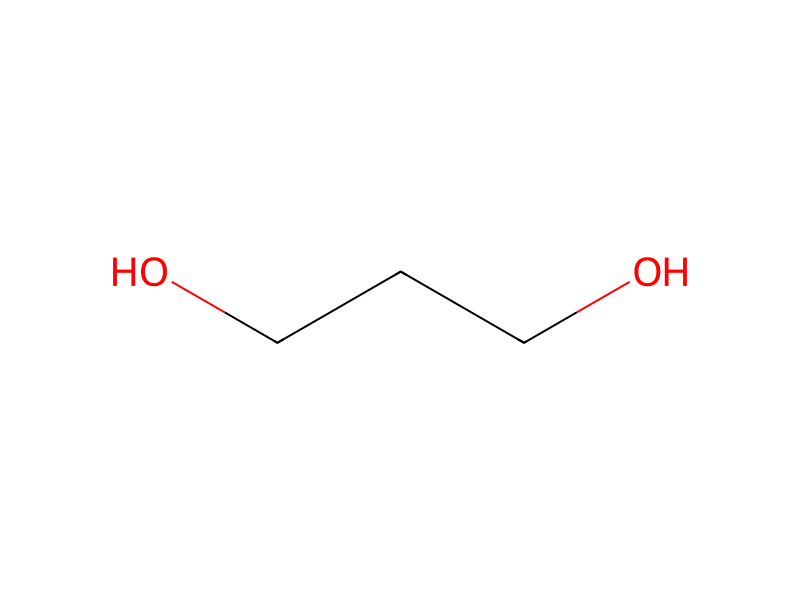


Procedure
A mixture of 2.25 g. of methyl 4-(2-cyclohexylethylamino)phenylacetate, 280 mg. of 1,3-propanediol and 1.37 g. p-toluenesulfonic acid is heated at 180° C. for 18 hours and then is partitioned between ether and 3% aqueous sodium carbonate solution. The ether layer is separated, dried, and evaporated to yield 3-hydroxypropyl 4-(2-cyclohexylethylamino)phenylacetate.
Workup
- additionA mixture of 2.25 g
- customis partitioned between ether and 3% aqueous sodium carbonate solution
- customThe ether layer is separated
- customdried
- customevaporated
Sources & evidence
- ORD record
- ord-8474239d58d143de978e66fb31dd317c
- Source dataset
- uspto-grants-1981_03
- Patent number
- US04259352
Reaction notes
Loading…