2-Nitropropane → HCID 13588602, compound
Reaction equation

[C:1](/[C:3](=[CH:9]\[C:10]1[CH:15]=[CH:14][CH:13]=[CH:12][C:11]=1[Cl:16])/[C:4]([O:6][CH2:7][CH3:8])=[O:5])#[N:2].[C:17]([CH2:19][C:20](OCC)=O)#N.ClC1C=CC=CC=1C=O.[N+](C(C)C)([O-])=O.C(=O)([O-])[O-].[K+].[K+]>C(O)C>[C:1]([C:3]1([C:4]([O:6][CH2:7][CH3:8])=[O:5])[CH:9]([C:10]2[CH:15]=[CH:14][CH:13]=[CH:12][C:11]=2[Cl:16])[C:19]1([CH3:20])[CH3:17])#[N:2]Participants
7
Reactant 5

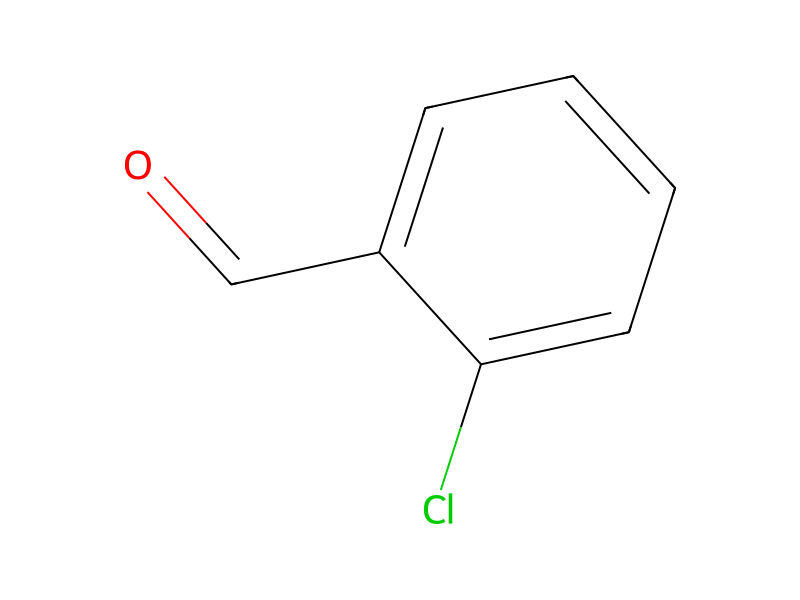



Product 1

Reagents, catalysts & solvents 1

Procedure
A mixture of 640 mg (2.7 mmoles) of (E)-ethyl 2-cyano-3-(o-chlorophenyl)-2-propenoate (6) (prepared from ethyl cyanoacetate and o-chlorobenzaldehyde using the procedure described in Example I for an analogous cyanoester), 0.25 mL (2.78 mmoles) of 2-nitropropane, 357 mg (2.6 mmoles) of anhydrous potassium carbonate, and 4.0 mL of absolute ethyl alcohol was heated at reflux for 3 hours. The product was isolated as described in the procedure of Example VIII, affording 664 mg (88% yield) of cyclopropanoid cyanoester 12, stereochemically homogeneous as shown by NMR analysis: δ3.22 (singlet, cyclopropyl H); bp: 122°-155° C. (bath temperature, 0.08 mm).
Workup
- temperaturewas heated
- temperatureat reflux for 3 hours
- customThe product was isolated
Sources & evidence
- ORD record
- ord-5db30e49f7324e73a080321dd0d76033
- Source dataset
- uspto-grants-1986_01
- Patent number
- US04567265
Reaction notes
Loading…