Isopropanol → HCID 14994263, compound
Reaction equation

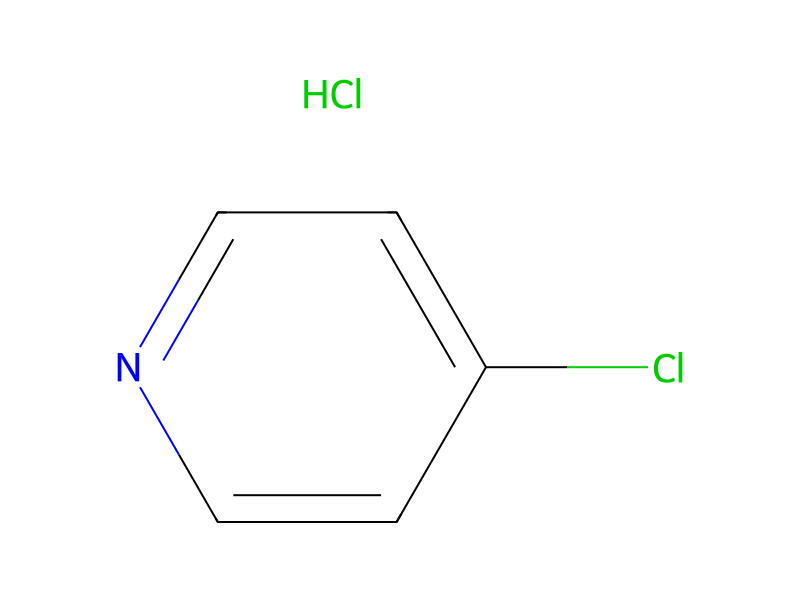
[NH2:1][N:2]1[C:10]2[C:5](=[CH:6][CH:7]=[CH:8][CH:9]=2)[C:4]([CH3:12])([CH3:11])[C:3]1=[O:13].Cl.Cl[C:16]1[CH:21]=[CH:20][N:19]=[CH:18][CH:17]=1.[CH:22](O)([CH3:24])[CH3:23]>>[CH3:12][C:4]1([CH3:11])[C:5]2[C:10](=[CH:9][CH:8]=[CH:7][CH:6]=2)[N:2]([N:1]([CH2:23][CH2:22][CH3:24])[C:16]2[CH:21]=[CH:20][N:19]=[CH:18][CH:17]=2)[C:3]1=[O:13]Participants
4



Procedure
To a stirred solution of 1-amino-1,3-dihydro-3,3-dimethyl-2H-indol-2-one (7.35 g) and isopropanol (167 ml) was added 4-chloropyridine hydrochloride (8.15 g). The flask was flushed with nitrogen and fitted with a condensor and nitrogen inlet. The reaction mixture was heated at reflux for 9 hours. Upon cooling to room temperature, the reaction mixture was poured into dilute aqueous sodium bicarbonate. The product was extracted thrice with ethyl acetate and once with dichloromethane. The combined organic layers were washed with brine and dried (K2CO3). Filtration and concentration gave the crude product. Purification via flash column chromatography (silica gel, 2% Et3N/0-2% MeOH/ether) afforded 3.5 g (33%) of the desired product.
Workup
- customThe flask was flushed with nitrogen
- customfitted with a condensor and nitrogen inlet
- temperatureThe reaction mixture was heated
- temperatureat reflux for 9 hours
- additionthe reaction mixture was poured into dilute aqueous sodium bicarbonate
- extractionThe product was extracted thrice with ethyl acetate
- washThe combined organic layers were washed with brine
- dry with materialdried (K2CO3)
- filtrationFiltration and concentration
- customgave the crude product
- customPurification via flash column chromatography (silica gel, 2% Et3N/0-2% MeOH/ether)
Sources & evidence
- ORD record
- ord-f3dd544b7cc7479d9ac9198c466e2262
- Source dataset
- uspto-grants-1995_11
- Patent number
- US05464846
Reaction notes
Loading…