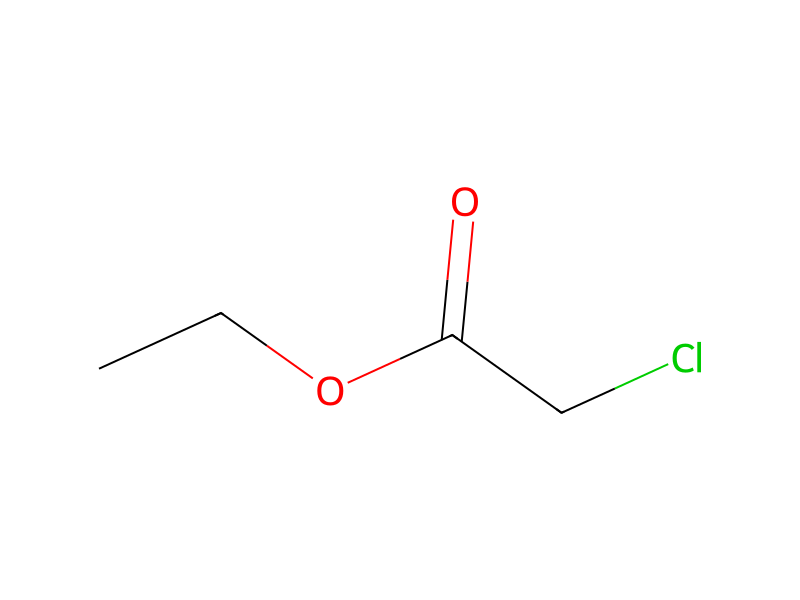
Ethyl chloroacetate → HCID 68139344, compound
Reaction equation

[Cl:1][CH2:2][C:3]([O:5][CH2:6][CH3:7])=[O:4].[CH3:8][C:9]1[C:18]2[CH:17]=[CH:16][CH:15]=[CH:14][C:13]=2[N:12]=[C:11]2[CH2:19][CH2:20][NH:21][CH2:22][CH2:23][C:10]=12>C1C=CC=CC=1.C(N(CC)CC)C>[ClH:1].[ClH:1].[CH2:6]([O:5][C:3](=[O:4])[CH2:2][N:21]1[CH2:22][CH2:23][C:10]2[C:11](=[N:12][C:13]3[CH:14]=[CH:15][CH:16]=[CH:17][C:18]=3[C:9]=2[CH3:8])[CH2:19][CH2:20]1)[CH3:7]Participants
5
Reactant 2

Product 1

Reagents, catalysts & solvents 2


Procedure
15 ml (141 millimols) of ethyl chloroacetate were added dropwise to a boiling solution of 30 gm (141 millimols) of 1,2,4,5-tetrahydro-11-methyl-3H-azepino[4,5-b]quinoline in 200 ml of benzene and 20 ml of triethylamine. After filtering off the precipitated triethylamine hydrochloride, the solvent was distilled off, and the residual base was converted into the dihydrochloride in ethanol with ethanolic hydrochloric acid.
Workup
- filtrationAfter filtering off the precipitated triethylamine hydrochloride
- distillationthe solvent was distilled off
Sources & evidence
- ORD record
- ord-1af9143ccfde4c70ad1cdc82c0610cda
- Source dataset
- uspto-grants-1976_10
- Patent number
- US03987047
Reaction notes
Loading…