Water → 2-Chloro-6-methyl-4-(1-methyl-3-trifluoromethyl-5-pyrazolyloxy)pyrimidine
Reaction equation

[Cl:1][C:2]1[N:7]=[C:6](Cl)[CH:5]=[C:4]([CH3:9])[N:3]=1.[CH3:10][N:11]1[C:15](=[O:16])[CH2:14][C:13]([C:17]([F:20])([F:19])[F:18])=[N:12]1.C(=O)([O-])[O-].[K+].[K+].O>C(#N)C>[Cl:1][C:2]1[N:7]=[C:6]([O:16][C:15]2[N:11]([CH3:10])[N:12]=[C:13]([C:17]([F:20])([F:19])[F:18])[CH:14]=2)[CH:5]=[C:4]([CH3:9])[N:3]=1Participants
6
Reactant 4


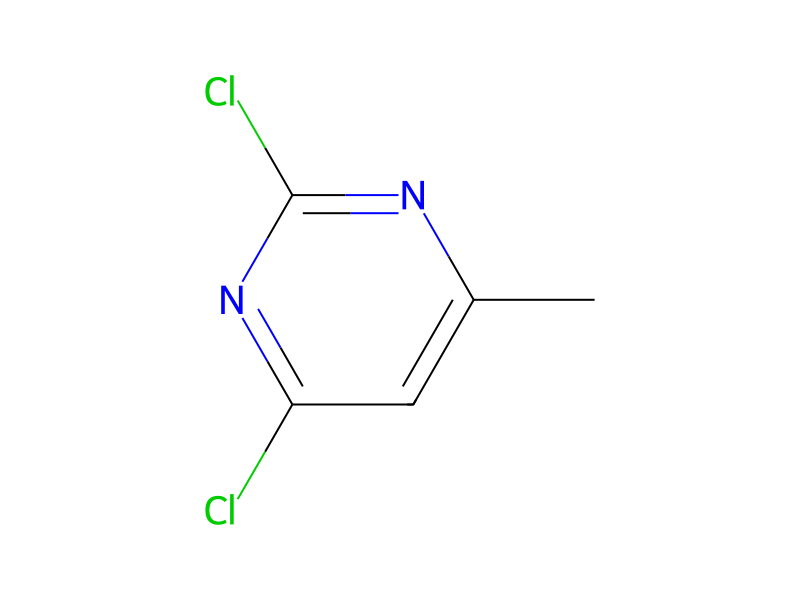

Product 1

Reagents, catalysts & solvents 1

Procedure
5 g 2,4-Dichloro-6-methylpyrimidine, 5.3 g 1-methyl-3-trifluoromethyl-2-pyrazolin-5-one, and 6.2 g potassium carbonate in 100 mL dry acetonitrile are refluxed for 2 hours. The mixture is poured into water, extracted with ethyl acetate and chromatographed to give 6.1 g of the title compound (m.p. 65° C.).
Workup
- extractionextracted with ethyl acetate
- customchromatographed
Sources & evidence
- ORD record
- ord-956103f789a3405da63494fb069f5f46
- Source dataset
- uspto-grants-1998_05
- Patent number
- US05747423
Reaction notes
Loading…