Hydrochloric Acid → HCID 18925298, compound
Reaction equation

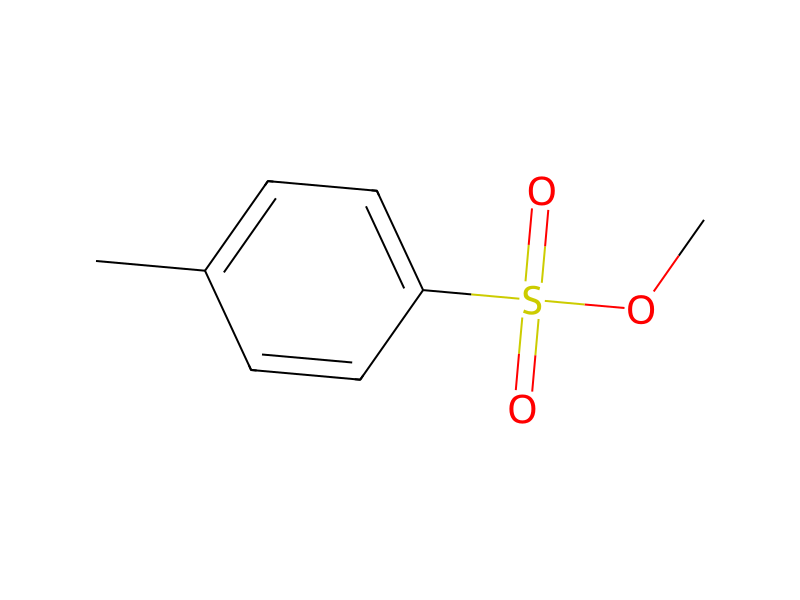
C([O:4][C:5]1[C:6]([O:33][CH3:34])=[CH:7][C:8]2[C:21]3[C:12](=[C:13]4[C:18](=[CH:19][N:20]=3)[C:17]([O:22]CC3C=CC=CC=3)=[C:16]([O:30][CH3:31])[CH:15]=[CH:14]4)[CH:11]=[CH:10][C:9]=2[CH:32]=1)(C)C.[C:35]1(C)C=CC(S(OC)(=O)=O)=CC=1.[ClH:47]>CO>[Cl-:47].[OH:4][C:5]1[C:6]([O:33][CH3:34])=[CH:7][C:8]2[C:21]3[C:12](=[C:13]4[C:18](=[CH:19][N+:20]=3[CH3:35])[C:17]([OH:22])=[C:16]([O:30][CH3:31])[CH:15]=[CH:14]4)[CH:11]=[CH:10][C:9]=2[CH:32]=1Participants
5
Reactant 3


Product 1

Reagents, catalysts & solvents 1

Procedure
2-isopropoxy-3,8-dimethoxy-7-benzyloxybenzo[c]phenanthridine (compound D-4) and methyl p-toluenesulfonate were subjected to a reaction operation in a manner similar to that of Example 16 to produce compound E-4, which was further treated with dilute hydrochloric acid in the presence of methanol, so that compound A-4, wherein X- =Cl-, was obtained.
Workup
- customto produce compound E-4, which
- customwas obtained
Sources & evidence
- ORD record
- ord-3e3e77ce960741708c5cb2bdce2587d2
- Source dataset
- uspto-grants-1998_05
- Patent number
- US05747502
Reaction notes
Loading…