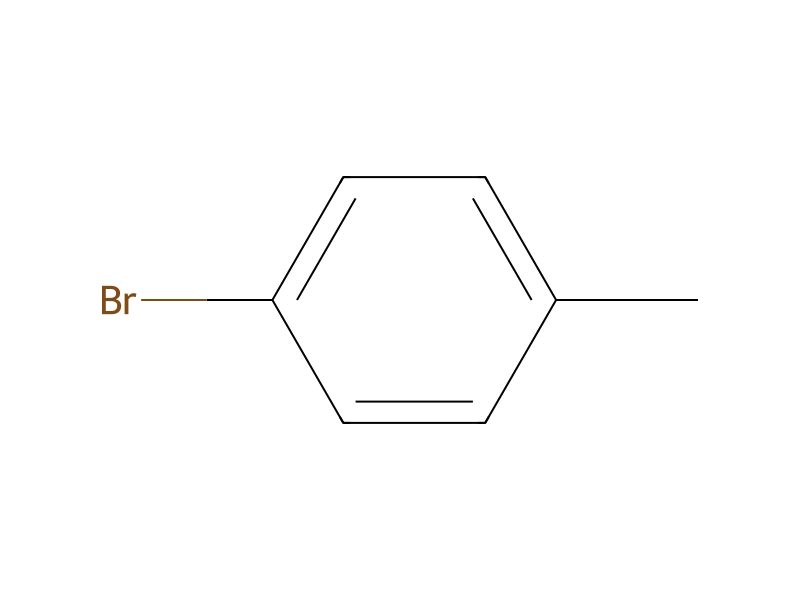
4-Bromotoluene → HCID 71567673, compound
Reaction equation

[C:1]([C:6]1[NH:7][C:8]2[C:13]([CH:14]=1)=[CH:12][CH:11]=[CH:10][CH:9]=2)([O:3][CH2:4][CH3:5])=[O:2].Br[C:16]1[CH:21]=[CH:20][C:19]([CH3:22])=[CH:18][CH:17]=1>N1C=CC=CC=1.C(OCC)(=O)C.[Cu-]=O>[CH3:22][C:19]1[CH:20]=[CH:21][C:16]([N:7]2[C:8]3[C:13](=[CH:12][CH:11]=[CH:10][CH:9]=3)[CH:14]=[C:6]2[C:1]([O:3][CH2:4][CH3:5])=[O:2])=[CH:17][CH:18]=1Participants
6




Conditions
- Temperature
- 120 °C
Procedure
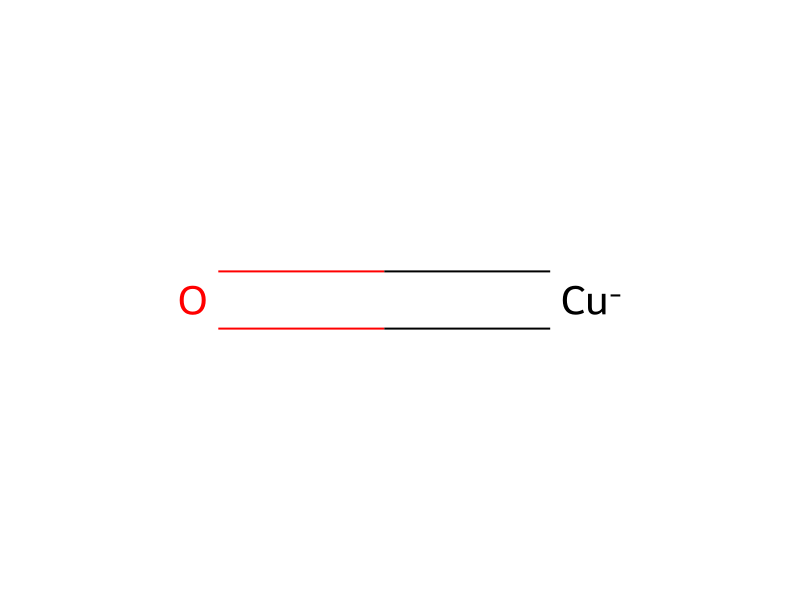
2-Carboethoxy-indole (100 mg, 0.528 mmol, 1.0 eq.) was combined with 4-bromotoluene (0.16 ml, 1.32 mmol, 2.5 eq.) and copper(I) oxide (75.6 mg, 0.528 mmol, 1.0 eq.) in pyridine (0.53 ml, 1M) and heated at 120° C. for 2 hours. The reaction was then cooled to room temperature, diluted with ethyl acetate and filtered through celite. The filtrate was washed twice with water, twice with 1N hydrochloric acid and once with aqueous saturated sodium hydrogen carbonate, filtered through magnesium sulfate and concentrated. The residue was chromatographed on silica gel, eluting with chloroform:hexane (1:2) to give the title A compound (147.6 mg).
Workup
- temperatureThe reaction was then cooled to room temperature
- filtrationfiltered through celite
- washThe filtrate was washed twice with water, twice with 1N hydrochloric acid and once with aqueous saturated sodium hydrogen carbonate
- filtrationfiltered through magnesium sulfate
- concentrationconcentrated
- customThe residue was chromatographed on silica gel
- washeluting with chloroform:hexane (1:2)
Sources & evidence
- ORD record
- ord-3c63f5626fbb424e85a20698ba8e1062
- Source dataset
- uspto-grants-1995_11
- Patent number
- US05466704
Reaction notes
Loading…