Ammonia → HCID 58906421, compound
Reaction equation

[N:1]1([CH:7]2[CH2:12][CH2:11][CH:10]([NH:13][C:14](=[O:28])[C:15]3[CH:20]=[CH:19][C:18]([N+:21]([O-])=O)=[C:17]([O:24][CH2:25][C:26]#[CH:27])[CH:16]=3)[CH2:9][CH2:8]2)[CH2:6][CH2:5][O:4][CH2:3][CH2:2]1.[Sn](Cl)Cl.N>C(OCC)(=O)C.CO>[NH2:21][C:18]1[CH:19]=[CH:20][C:15]([C:14]([NH:13][CH:10]2[CH2:11][CH2:12][CH:7]([N:1]3[CH2:2][CH2:3][O:4][CH2:5][CH2:6]3)[CH2:8][CH2:9]2)=[O:28])=[CH:16][C:17]=1[O:24][CH2:25][C:26]#[CH:27]Participants
6
Reactant 3

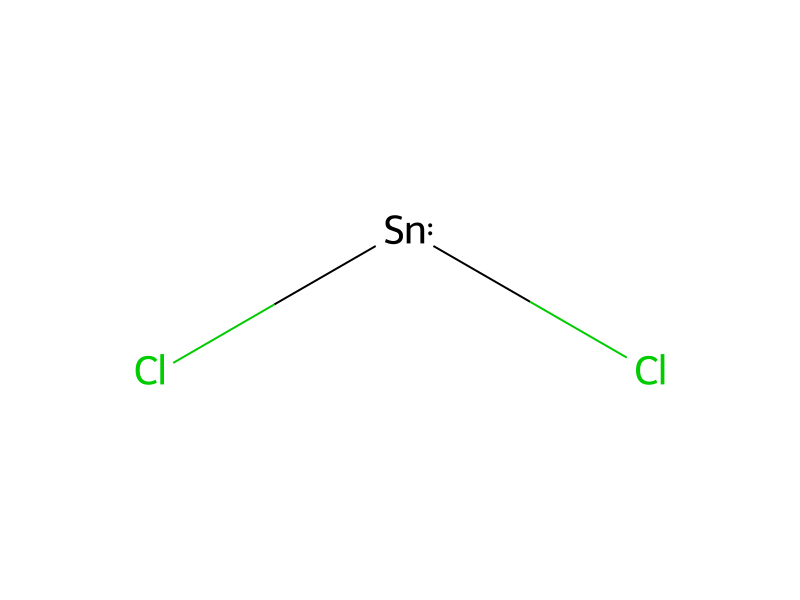

Product 1

Reagents, catalysts & solvents 2


Conditions
- Temperature
- 50 °C
Procedure
38.7 g (0.1 mol) N-(4-morpholin-4-yl-cyclohexyl)-4-nitro-3-prop-2-ynyloxy-benzamide are dissolved in 400 ml of ethyl acetate and 25 ml of methanol. To this solution are added 75 g tin (II)chloride.3H2O. The mixture is stirred for 16 h at 50° C. Then it is cooled to ambient temperature and 80 ml of conc. aqueous ammonia are added.
Workup
- temperatureThen it is cooled to ambient temperature
Sources & evidence
- ORD record
- ord-d2f0aa1807564e85957b403550354f9d
- Source dataset
- uspto-grants-2007_07
- Patent number
- US07241769B2
Reaction notes
Loading…