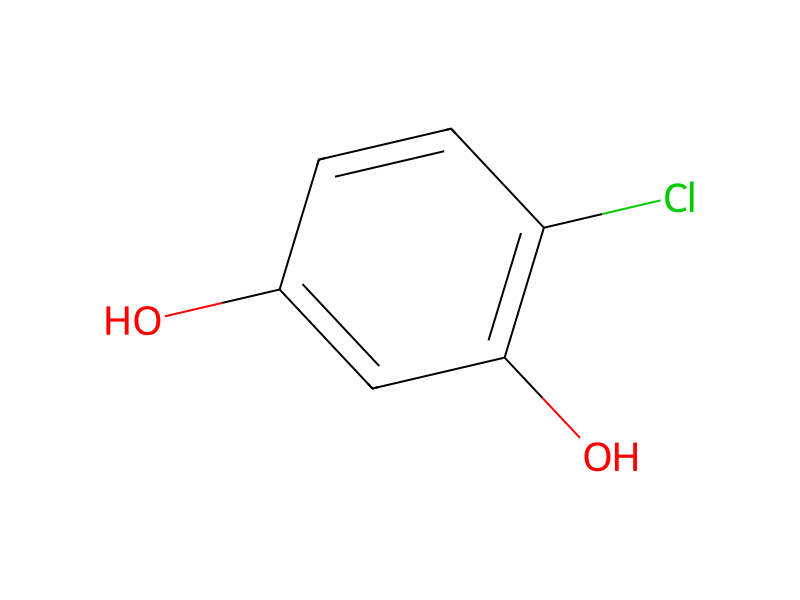
4-Chlororesorcinol → 2-(2-Bromo-phenyl)-1-(5-chloro-2,4-dihydroxy-phenyl)-ethanone
Reaction equation

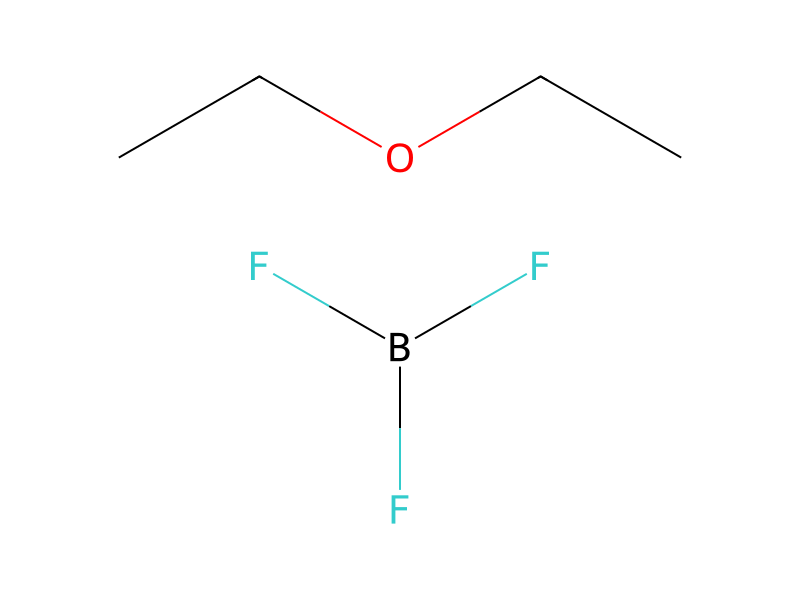
[Br:1][C:2]1[CH:7]=[CH:6][CH:5]=[CH:4][C:3]=1[CH2:8][C:9]([OH:11])=O.[Cl:12][C:13]1[CH:19]=[CH:18][C:16]([OH:17])=[CH:15][C:14]=1[OH:20].B(F)(F)F.CCOCC>CCCCCC.C(OCC)(=O)C>[Br:1][C:2]1[CH:7]=[CH:6][CH:5]=[CH:4][C:3]=1[CH2:8][C:9]([C:18]1[CH:19]=[C:13]([Cl:12])[C:14]([OH:20])=[CH:15][C:16]=1[OH:17])=[O:11]Participants
5



Procedure
This compounds was synthesised in the same manner as described above. 2-Bromophenylacetic acid (5 g, 23.3 mmol), 4-chlororesorcinol (3.36 g, 23.3 mmol), boron trifloride etherate (20 ml). After standing for two hours a brown precipitate formed (7.4 g, 93.3%); Rf 0.4 hexane/ethyl acetate (70/30). This was shown to be the required product.
Workup
- customThis compounds was synthesised in the same manner
- customa brown precipitate formed (7.4 g, 93.3%)
Sources & evidence
- ORD record
- ord-0f3ad54fa350422abe1e134de6aa54eb
- Source dataset
- uspto-grants-2007_07
- Patent number
- US07247734B2
Reaction notes
Loading…