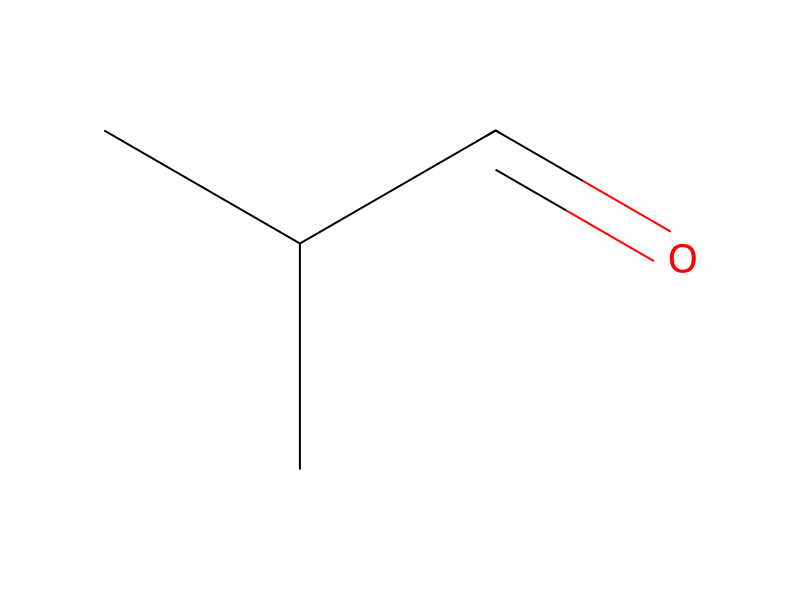
Isobutyraldehyde → HCID 11300027, compound
Reaction equation

[CH2:1]([N:8]1[CH2:13][CH2:12][O:11][CH2:10][C:9]1=[O:14])[C:2]1[CH:7]=[CH:6][CH:5]=[CH:4][CH:3]=1.C([N-]C(C)C)(C)C.[Li+].[CH:23](=[O:27])[CH:24]([CH3:26])[CH3:25]>O1CCCC1>[CH2:1]([N:8]1[CH2:13][CH2:12][O:11][CH:10]([CH:23]([OH:27])[CH:24]([CH3:26])[CH3:25])[C:9]1=[O:14])[C:2]1[CH:3]=[CH:4][CH:5]=[CH:6][CH:7]=1Participants
Reactant 3


Product 1

Reagents, catalysts & solvents 1

Procedure
To a stirred solution of 2 (5.05 g, 26.4 mmol) in tetrahydrofuran (25 ml) at −78° C. under nitrogen was added lithium diisopropylamide (14.5 ml of a 2M solution, 29.0 mmol) dropwise over 40 minutes. The reaction mixture was stirred at the same temperature over 30 minutes after which time a solution of isobutyraldehyde (2.63 ml, 29.0 mmol) in tetrahydrofuran (15 ml) was added dropwise over 30 minutes. After one hour, the reaction mixture was allowed to warm to room temperature and quenched by addition of saturated ammonium chloride solution. Extraction with dichloromethane and drying over magnesium sulphate gave 53 as a mixture of diastereomers. Upon concentration in vacuo one diastereomer precipitated as a white solid (53a: 0.99 g). The remaining mother liquors were purified by column chromatography (30% ethyl acetate in hexane [v/v]) to give 53 (2.06 g). MW 263.34; C15H21NO3; LCMS (6 min method): m/z 286 [M+Na]+; RT=2.748.
Workup
- additionwas added dropwise over 30 minutes
- customquenched by addition of saturated ammonium chloride solution
- extractionExtraction with dichloromethane
- dry with materialdrying over magnesium sulphate
Sources & evidence
- ORD record
- ord-d9b56de4fdf94651b96639cdaf7e1b1b
- Source dataset
- uspto-grants-2008_06
- Patent number
- US07384941B2
Reaction notes
Loading…