Dimethylformamide → Methyl 3,5-dichloropyrazine-2-carboxylate
Reaction equation

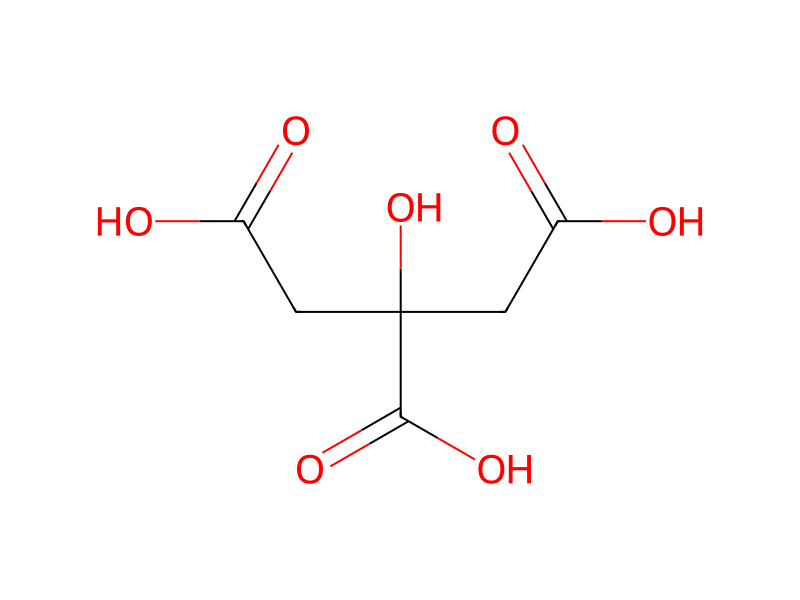
[C:1]([C:4]1[C:9]([Cl:10])=[N:8][C:7]([Cl:11])=[CH:6][N:5]=1)([OH:3])=[O:2].[C:12](=O)([O-])O.[Na+].CI.CN(C)C=O>C(O)(=O)CC(CC(O)=O)(C(O)=O)O>[CH3:12][O:2][C:1]([C:4]1[C:9]([Cl:10])=[N:8][C:7]([Cl:11])=[CH:6][N:5]=1)=[O:3]Participants
6





Procedure
A mixture of 2-carboxy-3,5-dichloropyrazine (prepared in the above (1)) 226 mg, sodium hydrogen carbonate 118 mg, methyl iodide 0.5 ml and dimethylformamide 1.8 ml is stirred at room temperature for 14 hours. The mixture is diluted with a 10% aqueous citric acid solution and extracted with ethyl acetate. The combined organic layer is washed with water and an aqueous saturated sodium chloride solution, dried over sodium sulfate and concentrated in vacuo to give 2-methoxycarbonyl-3,5-dichloropyrazine as a pale brown crystalline powder 245 mg. mp 60–63° C., MS(m/z): 206(M+)
Workup
- extractionextracted with ethyl acetate
- washThe combined organic layer is washed with water
- dry with materialan aqueous saturated sodium chloride solution, dried over sodium sulfate
- concentrationconcentrated in vacuo
Sources & evidence
- ORD record
- ord-7b62ac24c2ab4b1a97a3f6328de2457f
- Source dataset
- uspto-grants-2007_05
- Patent number
- US07220736B2
Reaction notes
Loading…