3-Bromo-1-propanol → HCID 17352815, compound
Reaction equation

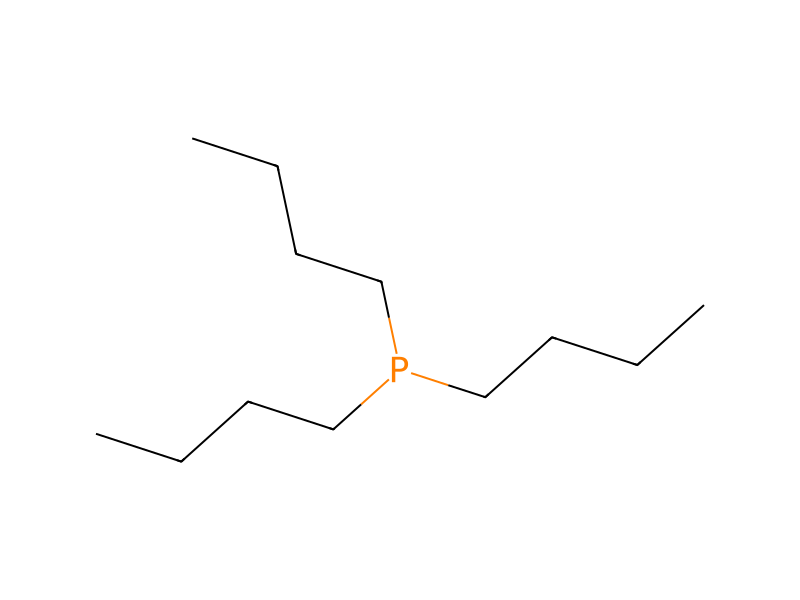
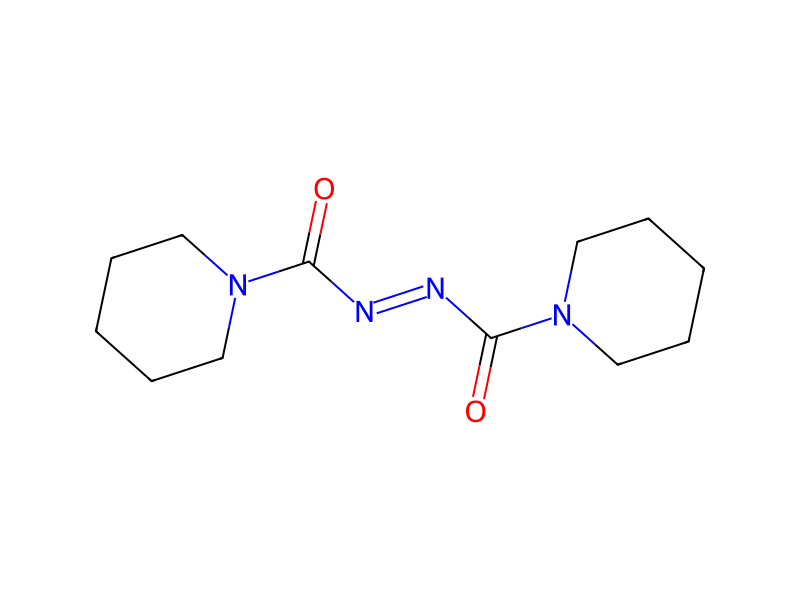
[Br:1][CH2:2][CH2:3][CH2:4][OH:5].[N+:6]([C:9]1[CH:10]=[C:11]([OH:17])[C:12](OC)=[CH:13][CH:14]=1)([O-:8])=[O:7].[CH2:18](P(CCCC)CCCC)CCC.N(C(N1CCCCC1)=O)=NC(N1CCCCC1)=O>O1CCCC1>[Br:1][CH2:2][CH2:3][CH2:4][O:5][C:12]1[CH:13]=[CH:14][C:9]([N+:6]([O-:8])=[O:7])=[CH:10][C:11]=1[O:17][CH3:18]Participants
6




Procedure
A solution of 3-bromo-1-propanol (0.685 g, 4.93 mmol), 4-nitroguaiacol (1 g, 5.91 mmol) and tributylphosphine (1.49 g, 7.36 mmol) in 20 ml tetrahydrofuran was treated with 1,1′-(azodicarbonyl)dipiperidine (1.49 g, mmol), added portionwise over 5 mins, and the resulting mixture stirred for 16 hrs. The solvent was removed in vacuo and the residues partitioned between ethyl acetate (25 ml) and 0.5 M HCl (25 ml). The organic phase was washed with 0.5 M NaOH (4×25 ml), water (25 ml) and saturated brine (25 ml), then dried and concentrated to a pale yellow solid. This was purified by flash chromatography on silica gel (eluting with ethyl acetate-hexane) to give 1-(3-bromo-propoxy)-2-methoxy-4-nitro-benzene as a white solid (300 mg, 21%);
Workup
- additionadded portionwise over 5 mins
- customThe solvent was removed in vacuo
- customthe residues partitioned between ethyl acetate (25 ml) and 0.5 M HCl (25 ml)
- washThe organic phase was washed with 0.5 M NaOH (4×25 ml), water (25 ml) and saturated brine (25 ml)
- customdried
- concentrationconcentrated to a pale yellow solid
- customThis was purified by flash chromatography on silica gel (eluting with ethyl acetate-hexane)
Sources & evidence
- ORD record
- ord-2072fa3d476a4fae8fc4120540233a3b
- Source dataset
- uspto-grants-2007_05
- Patent number
- US07220777B2
Reaction notes
Loading…