Triethylamine → HCID 21101752, compound
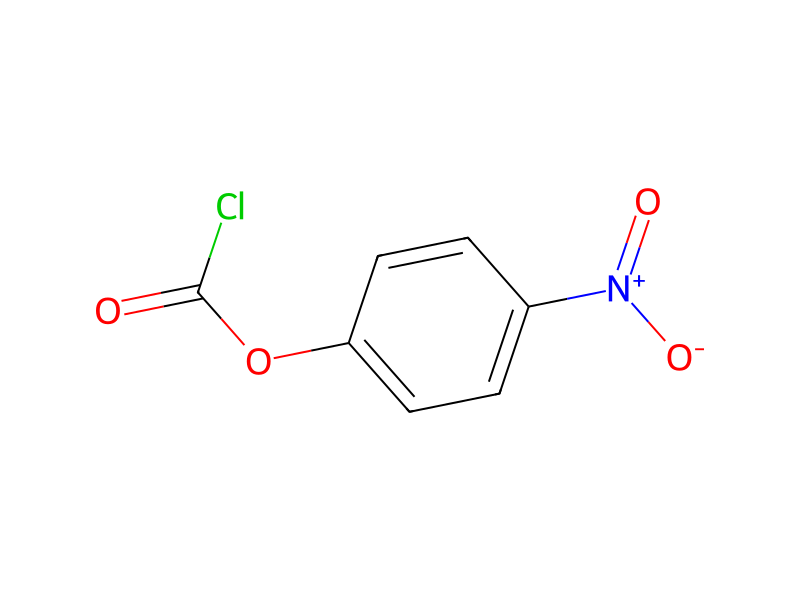
Reaction equation

N[CH:2]1[CH2:10][C:9]2[C:4](=[CH:5][CH:6]=[CH:7][CH:8]=2)[CH2:3]1.ClC(OC1C=CC([N+]([O-])=O)=CC=1)=[O:13].C([N:26]([CH2:29]C)CC)C.[Cl:31][C:32]1[CH:41]=[C:40]2[C:35]([C:36]([N:42]3[CH2:47][CH2:46][NH:45][CH2:44][CH2:43]3)=[CH:37][CH:38]=[N:39]2)=[CH:34][CH:33]=1>>[Cl:31][C:32]1[CH:41]=[C:40]2[C:35]([C:36]([N:42]3[CH2:47][CH2:46][N:45]([C:29]([NH:26][CH:3]4[C:4]5[C:9](=[CH:8][CH:7]=[CH:6][CH:5]=5)[CH2:10][CH2:2]4)=[O:13])[CH2:44][CH2:43]3)=[CH:37][CH:38]=[N:39]2)=[CH:34][CH:33]=1Participants
5




Procedure
2-Aminoindane (32 μL, 0.25 mmol), 4-nitrophenyl chloroformate (51 mg, 0.25 mmol), triethylamine (140 μL, 1.0 mmol), and 7-chloro-4-(piperazin-1-yl)quinoline (62 mg, 0.25 mmol) are treated according to method D delivering the title product as a colorless solid after column chromatography with hexane-EtOAc.
Sources & evidence
- ORD record
- ord-2eed9fb9fc034f569cfd84da542bce5d
- Source dataset
- uspto-grants-2007_05
- Patent number
- US07220856B2
Reaction notes
Loading…