Bromine → 2-Bromo-4-cyclopentoxy-3-hydroxy-benzaldehyde
Reaction equation

[CH:1]1([O:6][C:7]2[CH:14]=[CH:13][C:10]([CH:11]=[O:12])=[CH:9][C:8]=2[OH:15])[CH2:5][CH2:4][CH2:3][CH2:2]1.C([O-])(=O)C.[Na+].[Br:21]Br.S(=O)(O)[O-].[Na+]>C(O)(=O)C.[Fe]>[Br:21][C:9]1[C:8]([OH:15])=[C:7]([O:6][CH:1]2[CH2:2][CH2:3][CH2:4][CH2:5]2)[CH:14]=[CH:13][C:10]=1[CH:11]=[O:12]Participants
7



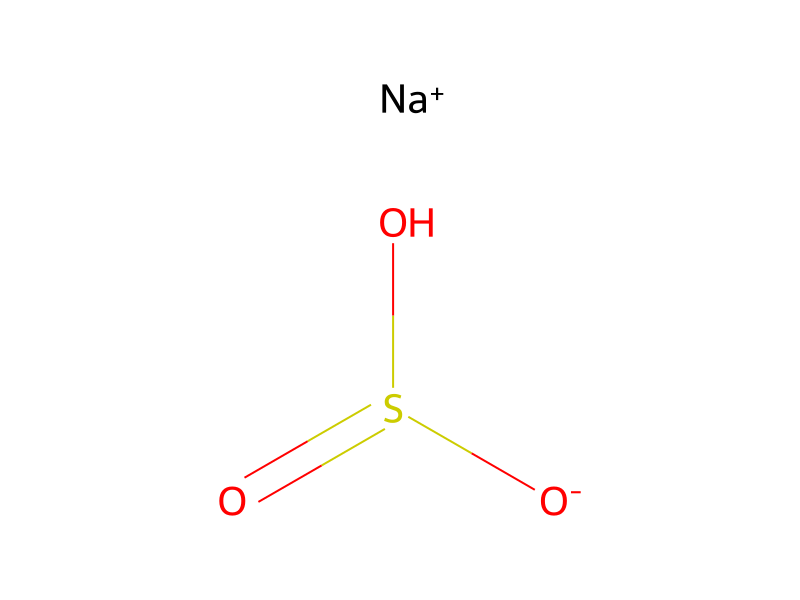



Conditions
- Temperature
- 15 °C
Procedure
4-cyclopentoxy-3-hydroxy-benzaldehyde (1.0 gm, 4.84 mmol) was dissolved in glacial acetic acid (20 ml). Anhydrous sodium acetate (0.8 gm, 9.7 mmol) was added to the above solution followed by powdered iron (0.022 gm). The system was flushed thoroughly with nitrogen. A solution of bromine (0.854 gm, 5.32 mmol) in glacial acetic acid (10 ml) was added to the above stirred suspension at 15° C. over a period of 15 min. The reaction mixture was stirred at 15° C. for 45 min. The reaction mixture was poured into aqueous 2% sodium bisulfite (100 ml) and stirred for 10 min. The precipitate was filtered washed with water (100 ml), and dried to obtain 800 mg of 2-bromo-4-cyclopentoxy-3-hydroxy-benzaldehyde as white powder mp: 107–109° C.
Workup
- customThe system was flushed thoroughly with nitrogen
- stirringstirred for 10 min
- filtrationThe precipitate was filtered
- washwashed with water (100 ml)
- customdried
Sources & evidence
- ORD record
- ord-1e9a31c50ff04aceaa888ce3f165537c
- Source dataset
- uspto-grants-2007_05
- Patent number
- US07223789B2
Reaction notes
Loading…