Hydrogen Peroxide → HCID 12084308, compound
Reaction equation

OO.[C:3]([O:11][CH:12]1[CH2:17][C:16]([CH3:19])([CH3:18])[N:15]([OH:20])[C:14]([CH3:22])([CH3:21])[CH2:13]1)(=[O:10])[C:4]1[CH:9]=[CH:8][CH:7]=[CH:6][CH:5]=1.S([O-])([O-])=O.[Na+].[Na+].[C:29]([OH:33])([CH3:32])([CH3:31])[CH3:30]>>[C:3]([O:11][CH:12]1[CH2:13][C:14]([CH3:22])([CH3:21])[N:15]([O:20][CH2:30][C:29]([OH:33])([CH3:32])[CH3:31])[C:16]([CH3:18])([CH3:19])[CH2:17]1)(=[O:10])[C:4]1[CH:5]=[CH:6][CH:7]=[CH:8][CH:9]=1Participants
5




Procedure
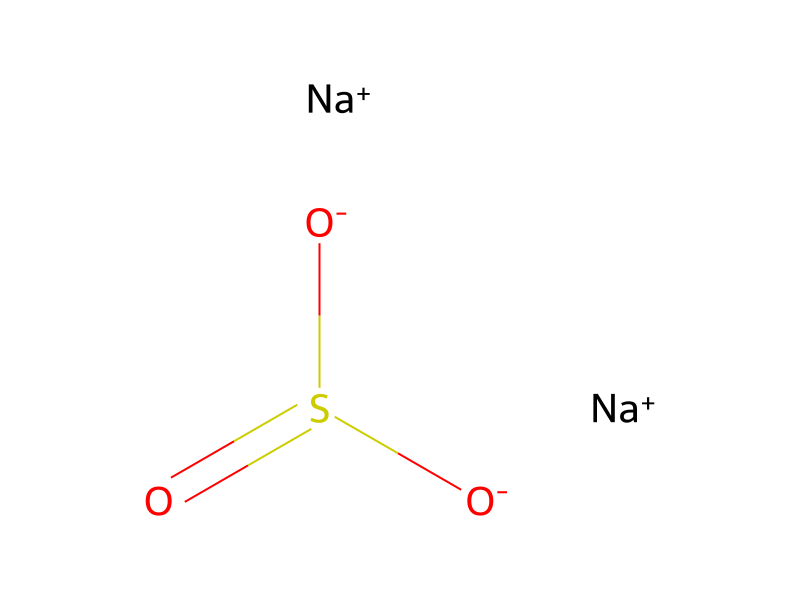
A solution of 50% aqueous hydrogen peroxide is added slowly to a mixture of 4-benzoyloxy-1-oxyl-2,2,6,6-tetramethylpiperidine and ferrous chloride tetrahydrate in tert-butyl alcohol at 30-60° C. Excess peroxide is decomposed by aqueous sodium sulfite solution. The organic layer is concentrated and the residue is purified by flash chromatography to afford the title compound.
Workup
- concentrationThe organic layer is concentrated
- customthe residue is purified by flash chromatography
Sources & evidence
- ORD record
- ord-f8f1c37b84ff4c489912f06b47d572ef
- Source dataset
- uspto-grants-2003_07
- Patent number
- US06586507B2
Reaction notes
Loading…