Hydrochloric Acid → 2-Amino-5-bromo-4-fluorobenzaldehyde
Reaction equation

[Br:1][C:2]1[C:3]([F:13])=[CH:4][C:5]([N+:10]([O-])=O)=[C:6]([CH:9]=1)[CH:7]=[O:8].Cl.[OH-].[Na+]>[Fe].C(O)C.O>[Br:1][C:2]1[C:3]([F:13])=[CH:4][C:5]([NH2:10])=[C:6]([CH:9]=1)[CH:7]=[O:8]Participants




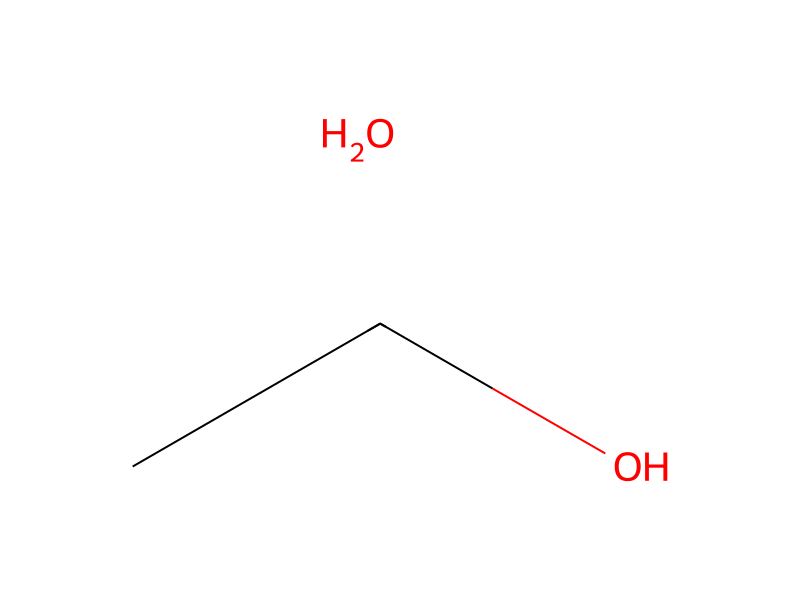
Procedure
To a solution of Example 115A (1.0 g, 4.0 mmol) in 1: 1 ethanol-water (50 mL), was added iron-powder (0.6 g) then 6 N hydrochloric acid (1 mL). The reaction mixture was heated to reflux overnight, cooled, neutralized with I N sodium hydroxide, filtered, and the filtrate extracted with ethyl acetate (3x). The organic extracts were dried over magnesium sulfate, filtered and solvent evaporated to provide 0.68 g of 5-bromo-4-fluoro-2-aminobenzaldehyde. To a solution of 2-amino-5-bromo-4-fluorobenzaldehyde (0.68 g, 3.1 mmol) in water (10 mL) at 0 ° C. was added sulfuric acid (2 mL) then slowly a solution of sodium nitrite (0.23 g, 3.4 mmol) in water (10 mL) keeping the temperature below 10 ° C.. After stirring at this temperature for 1 hour this suspension was added to a solution of potassium iodide (0.50 g, 3.1 mmol) in water (20 mL), the reaction mixture stirred at room temperature overnight, extracted with ethyl acetate (3x). The organic extracts were washed with aqueous sodium thiosulfate, 5% sodium bicarbonate solution and water, then dried over magnesium sulfate, filtered and solvent evaporated. The crude residue was purified by flash chromatography over silica gel eluting with ethyl acetate:hexane (1:9) to provide 0.16 g of the title compound as a tan solid.
Workup
- temperatureThe reaction mixture was heated
- temperatureto reflux overnight
- temperaturecooled
- filtrationfiltered
- extractionthe filtrate extracted with ethyl acetate (3x)
- dry with materialThe organic extracts were dried over magnesium sulfate
- filtrationfiltered
- customsolvent evaporated
Sources & evidence
- ORD record
- ord-2940bd09ad364222a436bc27e6f14f48
- Source dataset
- uspto-grants-2003_07
- Patent number
- US06593335B1
Reaction notes
Loading…