Dimethylformamide → 2-Benzyl-7-cyano-3-hydroxyquinoline
Reaction equation

[CH2:1]([C:8]1[C:17]([OH:18])=[CH:16][C:15]2[C:10](=[CH:11][C:12](Br)=[CH:13][CH:14]=2)[N:9]=1)[C:2]1[CH:7]=[CH:6][CH:5]=[CH:4][CH:3]=1.[CH3:20][N:21](C)C=O>[C-]#N.[Zn+2].[C-]#N.[Pd].C1(P(C2C=CC=CC=2)C2C=CC=CC=2)C=CC=CC=1.C1(P(C2C=CC=CC=2)C2C=CC=CC=2)C=CC=CC=1.C1(P(C2C=CC=CC=2)C2C=CC=CC=2)C=CC=CC=1.C1(P(C2C=CC=CC=2)C2C=CC=CC=2)C=CC=CC=1>[CH2:1]([C:8]1[C:17]([OH:18])=[CH:16][C:15]2[C:10](=[CH:11][C:12]([C:20]#[N:21])=[CH:13][CH:14]=2)[N:9]=1)[C:2]1[CH:7]=[CH:6][CH:5]=[CH:4][CH:3]=1Participants
5




Procedure
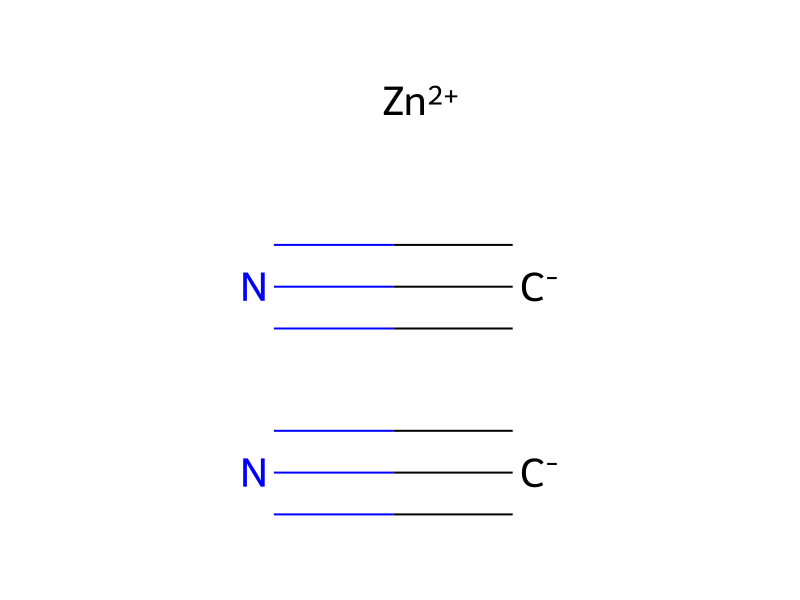
A mixture of 370 mg of 2-benzyl-7-bromo-3-hydroxyquinoline (including n-hexadecyl-tri-n-butylphosphonium bromide), 208 mg of zinc cyanide, 272 mg of tetrakis(triphenylphosphine) palladium(0) and 10 ml of N,N-dimethylformamide was heated under stirring for 7 hours in an oil bath kept at 90° C. After cooling as it was, insoluble matters were filtered through Celite and an aqueous potassium carbonate solution was added to the filtrate. The mixture was extracted with ethyl acetate, and the organic phase was washed with brine and the solvent was removed. The residue was subjected to silica gel column chromatography and eluted with hexane/ethyl acetate (3:1) and then with hexane/ethyl acetate (2:1), to give 203 mg of the target compound.
Workup
- temperaturewas heated
- customkept at 90° C
- temperatureAfter cooling as it
- filtrationinsoluble matters were filtered through Celite
- additionan aqueous potassium carbonate solution was added to the filtrate
- extractionThe mixture was extracted with ethyl acetate
- washthe organic phase was washed with brine
- customthe solvent was removed
- washeluted with hexane/ethyl acetate (3:1)
Sources & evidence
- ORD record
- ord-60c997e5a1c4431bb657eb2d6e0d71e5
- Source dataset
- uspto-grants-2003_07
- Patent number
- US06599917B1
Reaction notes
Loading…