Bromine → HCID 66958607, compound
Reaction equation

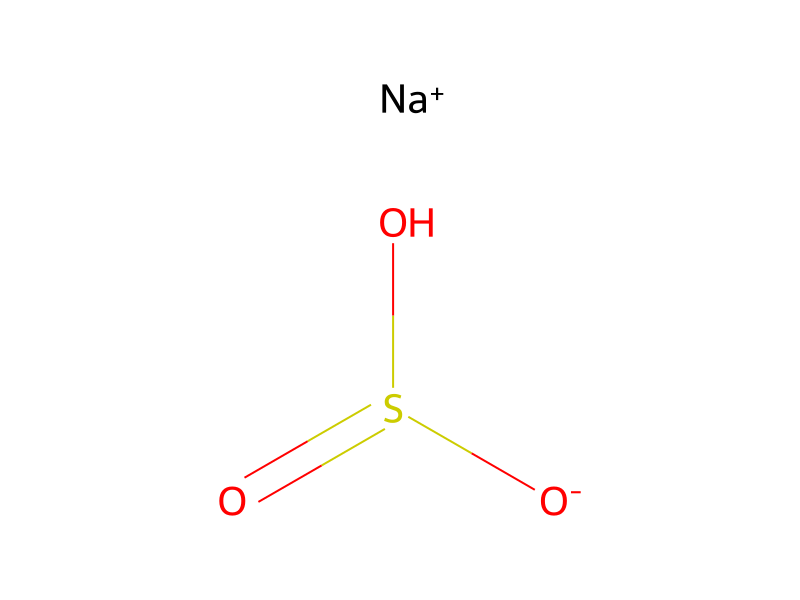
C([O-])(=O)C.[K+].[CH2:6]([N:8]1[C:12]([CH2:13][CH2:14][N:15]2[C:19](=[O:20])[C:18]3=[CH:21][CH:22]=[CH:23][CH:24]=[C:17]3[C:16]2=[O:25])=[CH:11][C:10]([C:26]#[N:27])=[N:9]1)[CH3:7].[Br:28]Br.S([O-])(O)=O.[Na+]>C(O)(=O)C.ClCCl>[Br:28][C:11]1[C:10]([C:26]#[N:27])=[N:9][N:8]([CH2:6][CH3:7])[C:12]=1[CH2:13][CH2:14][N:15]1[C:16](=[O:25])[C:17]2=[CH:24][CH:23]=[CH:22][CH:21]=[C:18]2[C:19]1=[O:20]Participants
7
Reactant 4



Product 1

Reagents, catalysts & solvents 2


Procedure
Potassium acetate (3.9 g, 39.5 mmol) was added to a solution of 1-ethyl-5-(2-phthalimidoethyl)-1H-pyrazole-3-carbonitrile (7.73 g, 26.3 mmol) in acetic acid (37.5 mL) and dichloromethane (75 mL). Bromine (5.88 g, 36.8 mmol) was added, and the reaction was stirred for 14 hours. A precipitate was present. Saturated aqueous sodium hydrogensulfite was added, and the dichloromethane was removed under reduced pressure. Water (500 mL) was added with stirring, and the resulting solid was isolated by filtration, washed with water, and dried on the filter funnel to provide 4-bromo-1-ethyl-5-(2-phthalimidoethyl)-1H-pyrazole-3-carbonitrile.
Workup
- customthe dichloromethane was removed under reduced pressure
- additionWater (500 mL) was added
- stirringwith stirring
- customthe resulting solid was isolated by filtration
- washwashed with water
- customdried on the filter funnel
Sources & evidence
- ORD record
- ord-1b47c3401d4e47f4b059872705aa204e
- Source dataset
- uspto-grants-2011_02
- Patent number
- US07879849B2
Reaction notes
Loading…