Boron trifluoride → 1-(4-Methoxyphenyl)-4-(2,4,6-trimethoxyphenyl)piperidin-3-ol
Reaction equation

[CH3:1][O:2][C:3]1[CH:8]=[CH:7][C:6]([N:9]2[CH2:14][CH:13]=[C:12]([C:15]3[C:20]([O:21][CH3:22])=[CH:19][C:18]([O:23][CH3:24])=[CH:17][C:16]=3[O:25][CH3:26])[CH2:11][CH2:10]2)=[CH:5][CH:4]=1.[BH4-].[Na+].B(F)(F)F.C1C[O:36]CC1>>[CH3:1][O:2][C:3]1[CH:4]=[CH:5][C:6]([N:9]2[CH2:10][CH2:11][CH:12]([C:15]3[C:20]([O:21][CH3:22])=[CH:19][C:18]([O:23][CH3:24])=[CH:17][C:16]=3[O:25][CH3:26])[CH:13]([OH:36])[CH2:14]2)=[CH:7][CH:8]=1Participants
5
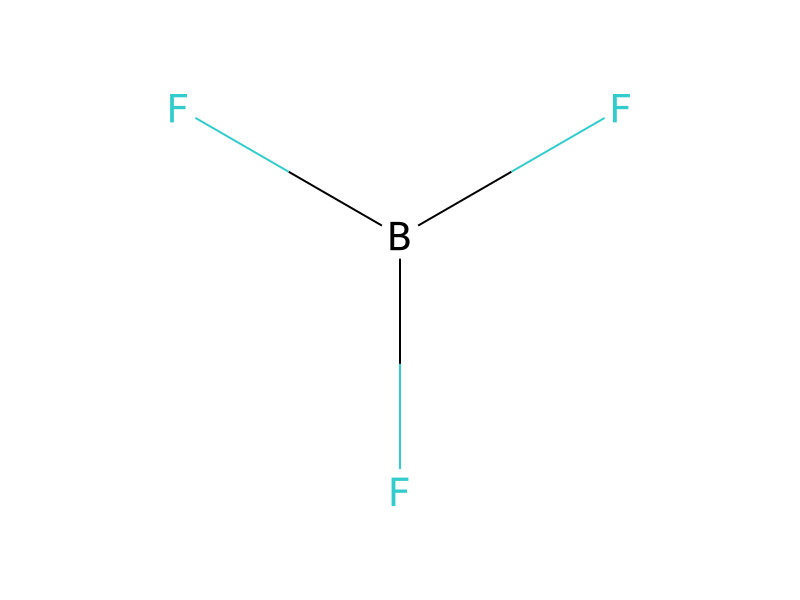




Conditions
- Temperature
- 52.5 °C
Procedure
Compound of example 118 (15 g, 42 mmol) was subjected to hydroboration using NaBH4 (2.7 g, 71.4 mmol) and BF3-etherate (12.6 g, 88.8 mmol) in THF (50 mL). Excess diborane was destroyed by the addition of water. Conc. HCl (15 mL) was added and the reaction mixture was stirred at 50-55° C. for 1 h. It was cooled to room temperature The resulting mixture was made basic (pH 12-14) using an aqueous 50% NaOH solution. 30% H2O2 (9 mL) was added and the reaction mixture was stirred at 50-55° C. for 1 h. The reaction mixture was processed as described in example 2 to obtain the title compound.
Workup
- customExcess diborane was destroyed by the addition of water
- additionConc. HCl (15 mL) was added
- temperatureIt was cooled to room temperature The resulting mixture
- addition30% H2O2 (9 mL) was added
- stirringthe reaction mixture was stirred at 50-55° C. for 1 h
Sources & evidence
- ORD record
- ord-fafe500061e3499aa8c1a6f20f626e11
- Source dataset
- uspto-grants-2011_02
- Patent number
- US07884127B2
Reaction notes
Loading…