Tetrahydrofuran → HCID 11160421, compound
Reaction equation

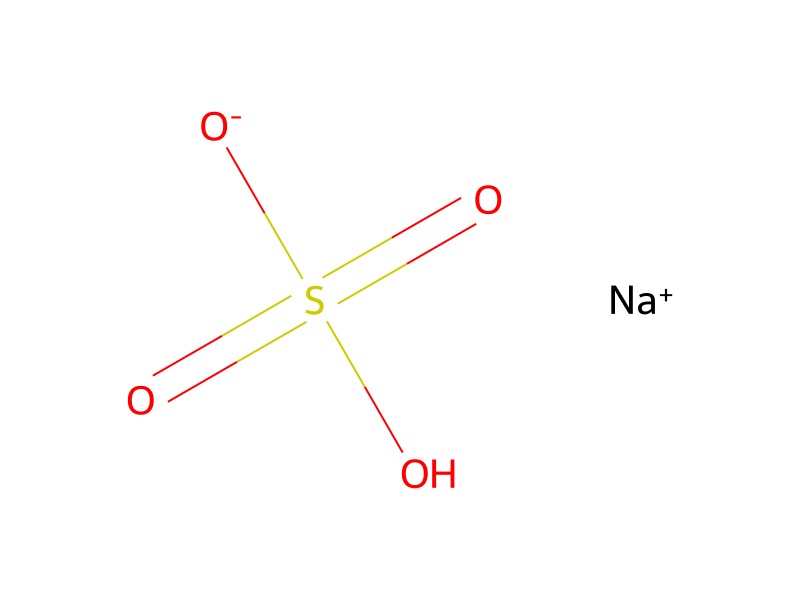
[F:1][C:2]1[CH:7]=[CH:6][C:5]([C:8]2[C@@H:12]([OH:13])[CH2:11][CH2:10][C:9]=2[C:14]([O:16]C)=[O:15])=[CH:4][CH:3]=1.C1COCC1.COCCO[AlH2-]OCCOC.[Na+].OS([O-])(=O)=O.[Na+]>C1(C)C=CC=CC=1>[F:1][C:2]1[CH:3]=[CH:4][C:5]([C@@H:8]2[C@@H:12]([OH:13])[CH2:11][CH2:10][C@H:9]2[C:14]([OH:16])=[O:15])=[CH:6][CH:7]=1Participants
Reactant 4



Product 1

Reagents, catalysts & solvents 1

Conditions
- Temperature
- -48 °C
Procedure
To a toluene stream containing methyl (3S)-2-(4-fluorophenyl)-3-hydroxycyclopent-1-enecarboxylate in 21 L toluene was added 12 Liters of dry THF and the reaction mixture was cooled to −48° C. To the cooled solution was added drop-wise over 45 min 3.8 Liters (13.46 mol) of 70% Red-Al in toluene. The reaction mixture was allowed to warm to −25° C. over 2.5 h and was added to a solution of 21 L of 2M NaHSO4. The mixture was stirred for 30 min and the layers separated. The toluene layer was then washed with 15 L of water. The toluene layer was then azeotropically dried (50° C., 25 inHg) to a final volume of 21 L (KF 130 ug/mL) and used in the next step. To the toluene solution was added 820 mL (3.6 mol) of 25 wt % NaOMe in MeOH at 50° C. and the mixture heated to 75° C. for 1 h. The mixture was then cooled to 50° C. and 17 L of water, 1 L of MeOH, and 4.5 L of 6N NaOH was added. The mixture was stirred at 20-25° C. overnight. The layers were separated, and the toluene layer discarded. The aqueous layer was then washed with 15 L of MTBE and the MTBE layer discarded. The aqueous layer was then made acidic with conc. HCl (2.1 L, pH 1). The mixture was extracted with 40 L of IPAC. The IPAC layer containing the product (1.35 kg, 69% assay) was then treated with 500 g of Darco for 30 min at 25° C. and filtered over a pad of solka floc, rinsing the pad with and additional 5 L of IPAC. The IPAC solution was then azeotropically dried (45° C., 25 inHg) to a final volume of 15 L (KF<200) and cooled to 20° C. To the IPAC solution was added 3.04 L of n-heptane and the mixture seeded with 5 g of (1R,2R,3S)-2-(4-fluorophenyl)-3-hydroxycyclopentane-1-carboxylic acid. After a good seed bed had been formed (30 min) the rest of the n-heptane (40.4 L) was added drop-wise over 1 hour. The slurry was cooled to 10° C. and filtered. The cake was washed with 2 L of 5:1 n-heptane/IPAC and then with 1 L of heptane. The cake was then dried under vacuum/N2 sweep at 20-25° C. overnight to provide (1R,2R,3S)-2-(4-fluorophenyl)-3-hydroxycyclopentane-1-carboxylic acid as a colorless solid.
Workup
- temperatureto warm to −25° C. over 2.5 h
- customthe layers separated
- washThe toluene layer was then washed with 15 L of water
- dry with materialThe toluene layer was then azeotropically dried (50° C., 25 inHg) to a final volume of 21 L (KF 130 ug/mL)
- additionTo the toluene solution was added 820 mL (3.6 mol) of 25 wt % NaOMe in MeOH at 50° C.
- temperaturethe mixture heated to 75° C. for 1 h
- temperatureThe mixture was then cooled to 50° C.
- addition17 L of water, 1 L of MeOH, and 4.5 L of 6N NaOH was added
- stirringThe mixture was stirred at 20-25° C. overnight
- customThe layers were separated
- washThe aqueous layer was then washed with 15 L of MTBE
- extractionThe mixture was extracted with 40 L of IPAC
- additionThe IPAC layer containing the product (1.35 kg, 69% assay)
- additionwas then treated with 500 g of Darco for 30 min at 25° C.
- filtrationfiltered over a pad of solka floc
- washrinsing the pad with and additional 5 L of IPAC
- dry with materialThe IPAC solution was then azeotropically dried (45° C., 25 inHg) to a final volume of 15 L (KF<200)
- temperaturecooled to 20° C
- additionTo the IPAC solution was added 3.04 L of n-heptane
- customAfter a good seed bed had been formed (30 min) the rest of the n-heptane (40.4 L)
- additionwas added drop-wise over 1 hour
- temperatureThe slurry was cooled to 10° C.
- filtrationfiltered
- washThe cake was washed with 2 L of 5:1 n-heptane/IPAC
- dry with materialThe cake was then dried under vacuum/N2 sweep at 20-25° C. overnight
Sources & evidence
- ORD record
- ord-10b17121d9dc46ba9ff86a02b9f86989
- Source dataset
- uspto-grants-2011_02
- Patent number
- US07893091B2
Reaction notes
Loading…