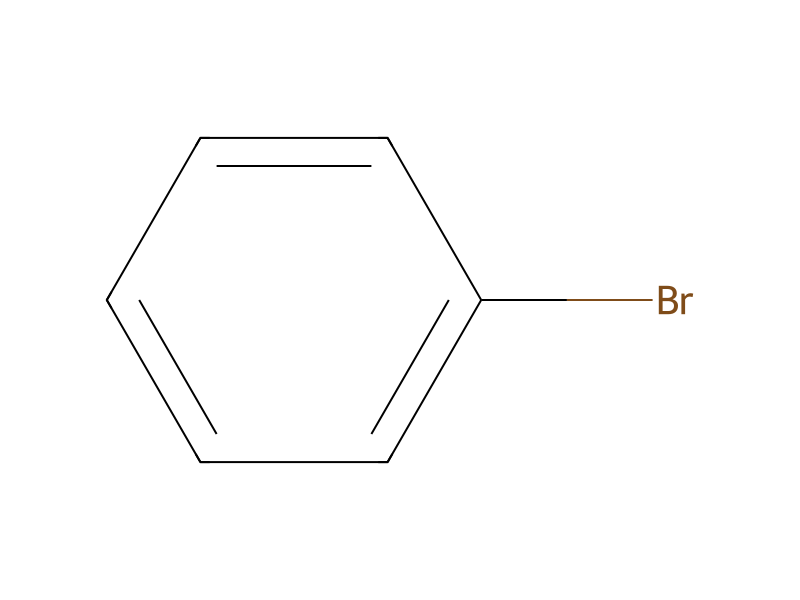
Bromobenzene → HCID 178487486, compound
Reaction equation

Br[C:2]1[CH:7]=[CH:6][CH:5]=[CH:4][CH:3]=1.[CH3:8][O:9][C:10]1[CH:11]=[C:12]2[C:17](=[CH:18][CH:19]=1)[CH:16]=[C:15]([C:20]([C:22]1[N:23]=[CH:24][N:25](C(C3C=CC=CC=3)(C3C=CC=CC=3)C3C=CC=CC=3)[CH:26]=1)=[O:21])[CH:14]=[CH:13]2>>[NH:25]1[CH:26]=[C:22]([C:20]([C:15]2[CH:14]=[CH:13][C:12]3[C:17](=[CH:18][CH:19]=[C:10]([O:9][CH3:8])[CH:11]=3)[CH:16]=2)([C:2]2[CH:7]=[CH:6][CH:5]=[CH:4][CH:3]=2)[OH:21])[N:23]=[CH:24]1Participants
3


Procedure
In a similar manner to that described in Example 6-(i), the reaction of bromo benzene (0.85 ml) with (6-methoxynaphthalen-2-yl)-(1-trityl-1H-imidazol-4-yl)ketone (1.0 g) was carried out. The reaction mixture was purified by silica gel column chromatography (eluent, hexane:ethyl acetate=3:1→2:1) to give the titled compound (0.98 g) as a pale yellow powder.
Workup
- customThe reaction mixture was purified by silica gel column chromatography (eluent, hexane:ethyl acetate=3:1→2:1)
Sources & evidence
- ORD record
- ord-af224a6b71004f0d835c8be01c8007e6
- Source dataset
- uspto-grants-2003_06
- Patent number
- US06573289B1
Reaction notes
Loading…