Hydrochloric Acid → 4-(1,3-Thiazol-2-yl)benzoic acid
Reaction equation

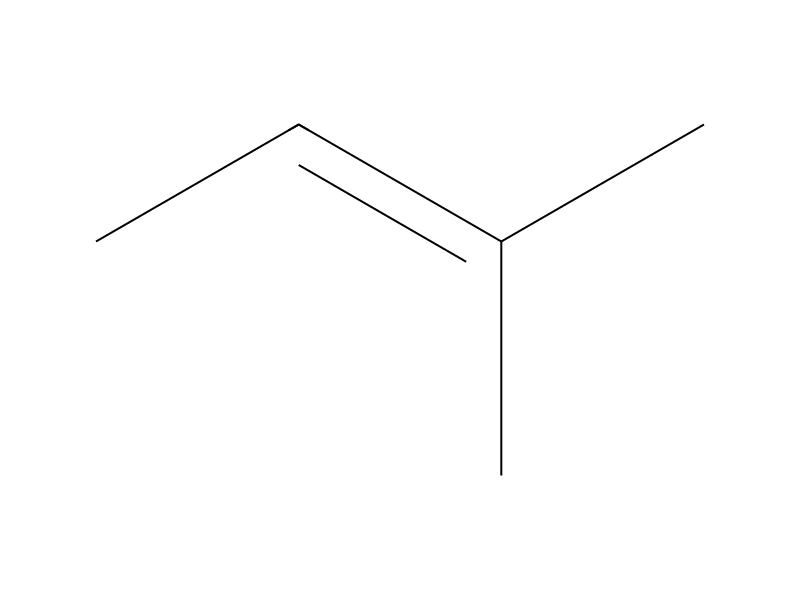
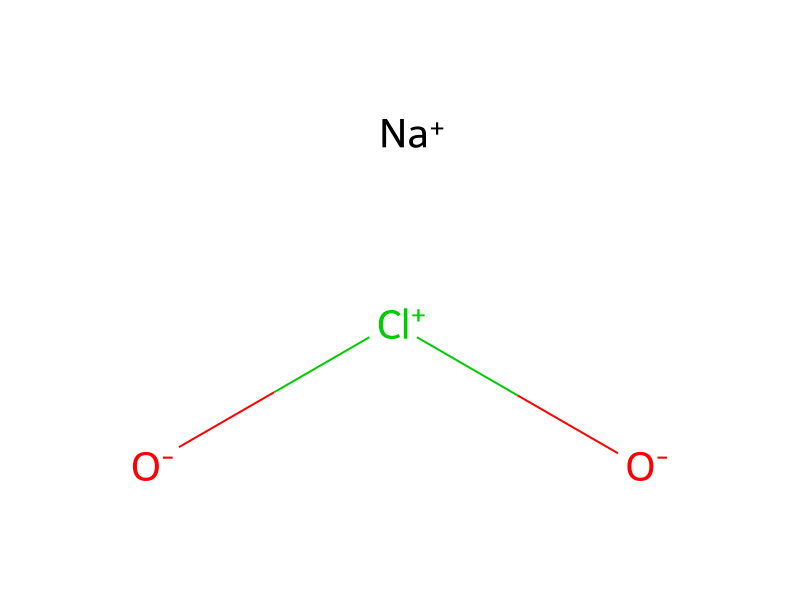
[S:1]1[CH:5]=[CH:4][N:3]=[C:2]1[C:6]1[CH:13]=[CH:12][C:9]([CH:10]=[O:11])=[CH:8][CH:7]=1.Cl([O-])=[O:15].[Na+].P([O-])(O)(O)=O.[Na+].CC(=CC)C.Cl>O.O1CCCC1.C(O)(C)(C)C>[S:1]1[CH:5]=[CH:4][N:3]=[C:2]1[C:6]1[CH:7]=[CH:8][C:9]([C:10]([OH:15])=[O:11])=[CH:12][CH:13]=1Participants
9
Reactant 5



Product 1

Reagents, catalysts & solvents 3



Procedure
A mixture of 4-(2-thiazolyl)benzaldehyde (4.6 g, 24 mmol), sodium chlorite (5.5 g, 61 mmols), sodium dihydrogenphosphate (3.2 g, 27 mmols), 2-methyl-2-butene (8.6 g, 120 mmols), tert-butanol (40 ml), tetrahydrofuran (40 ml) and water (20 ml) was stirred at room temperature for 3 hours. The mixture was poured into 1 N hydrochloric acid, and the precipitate formed was taken out through filtration and dried. Thus was obtained a solid of 4-(2-thiazolyl)benzoic acid (4.0 g, 79%).
Workup
- customthe precipitate formed
- filtrationwas taken out through filtration
- customdried
Sources & evidence
- ORD record
- ord-bb35a1fc6d944a90a10a750cd7c3456a
- Source dataset
- uspto-grants-2007_01
- Patent number
- US07160887B1
Reaction notes
Loading…