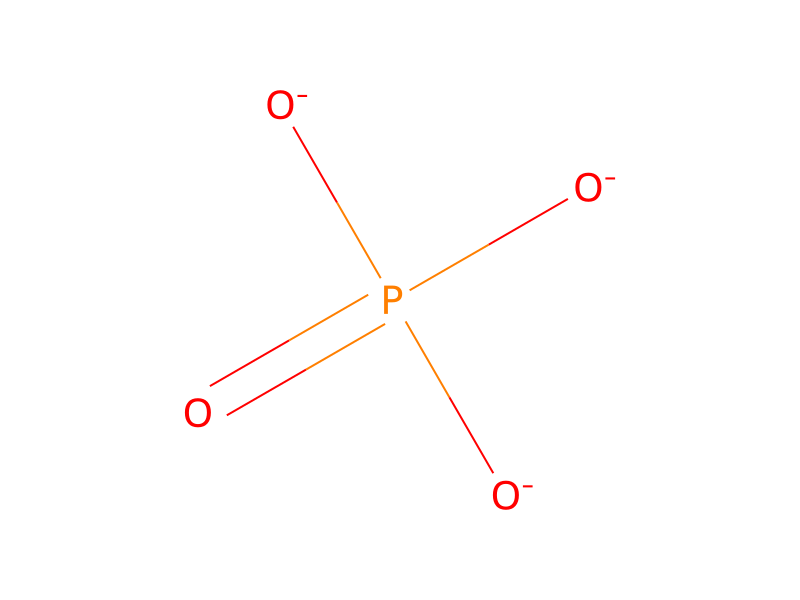
Phosphate → HCID 11821251, compound
Reaction equation

[CH3:1][C@@H:2]1[N:7]([C:8]([O:10][CH2:11][CH:12]=[CH2:13])=[O:9])[CH2:6][CH2:5][C:4]([C:14]([O:16]CC)=O)=[CH:3]1.Br[CH2:20][Cl:21].C([Li])CCC.CCCCCC.P([O-])([O-])([O-])=O>C1COCC1.C(OCC)(=O)C>[Cl:21][CH2:20][C:14]([C:4]1[CH2:5][CH2:6][N:7]([C:8]([O:10][CH2:11][CH:12]=[CH2:13])=[O:9])[C@@H:2]([CH3:1])[CH:3]=1)=[O:16]Participants







Procedure
To a solution of 1-allyl 4-ethyl (6S)-6-methyl-3,6-dihydro-1,4(2 H)-pyridinedicarboxylate (200 mg, 0.79 mmol) and bromochloromethane (0.082 ml, 1.3 mmol) in THF (4 ml) was added at −90° C. a solution of n-butyllithium in hexane (1.59M, 0.74 ml, 1.2 mmol). Twenty minute later, the reaction mixture was poured into a mixture of ice (5 g) and phosphate buffer (pH 7.0, 10 ml). To the solution was added ethyl acetate and after separating the mixture with a separating funnel, the aqueous layer was extracted twice with ethyl acetate. The organic layer was washed with a saturated aqueous sodium chloride solution, dried over magnesium sulfate and the organic solvent was removed under reduced pressure. The residue was purified by silica gel chromatography to give allyl (6S)-4-(chloroacetyl)-6-methyl-3,6-dihydro-1(2 H)-pyridinecarboxylate (167 mg).
Workup
- customafter separating the mixture with a separating funnel
- extractionthe aqueous layer was extracted twice with ethyl acetate
- washThe organic layer was washed with a saturated aqueous sodium chloride solution
- dry with materialdried over magnesium sulfate
- customthe organic solvent was removed under reduced pressure
- customThe residue was purified by silica gel chromatography
Sources & evidence
- ORD record
- ord-614e21a68b224df69a4c486aacc150ca
- Source dataset
- uspto-grants-2007_01
- Patent number
- US07163936B2
Reaction notes
Loading…