Trisodium Phosphate → Trisodium Phosphate
Reaction equation

O=C[C@@H]([C@H]([C@@H]([C@@H](CO)O)O)O)O.[P:13]([O-:17])([O-:16])([O-:15])=[O:14].[Na+:18].[Na+].[Na+].Cl.[CH3:22][NH:23][CH:24]([CH3:33])[C:25]([C:27]1[CH:32]=[CH:31][CH:30]=[CH:29][CH:28]=1)=[O:26]>>[P:13]([O-:17])([O-:16])([O-:15])=[O:14].[Na+:18].[Na+:18].[Na+:18].[CH3:33][C@H:24]([NH:23][CH3:22])[C@@H:25]([OH:26])[C:27]1[CH:32]=[CH:31][CH:30]=[CH:29][CH:28]=1Participants
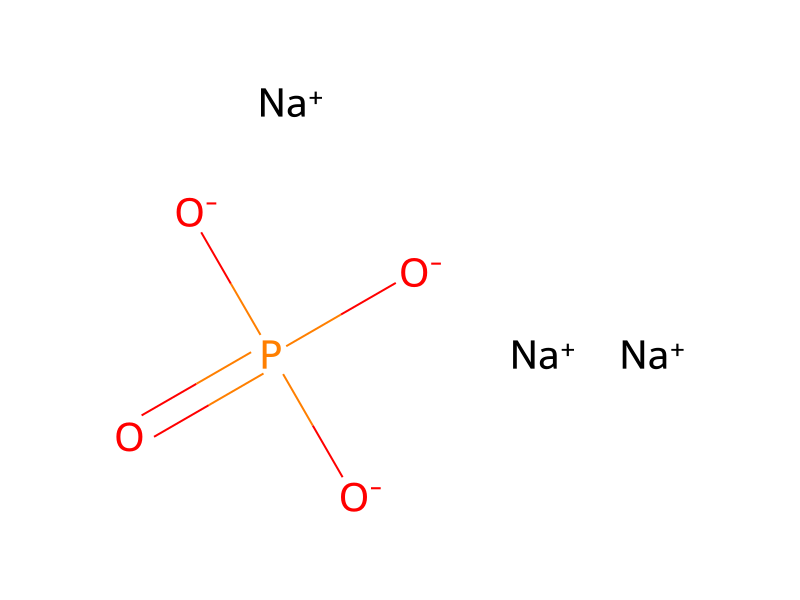
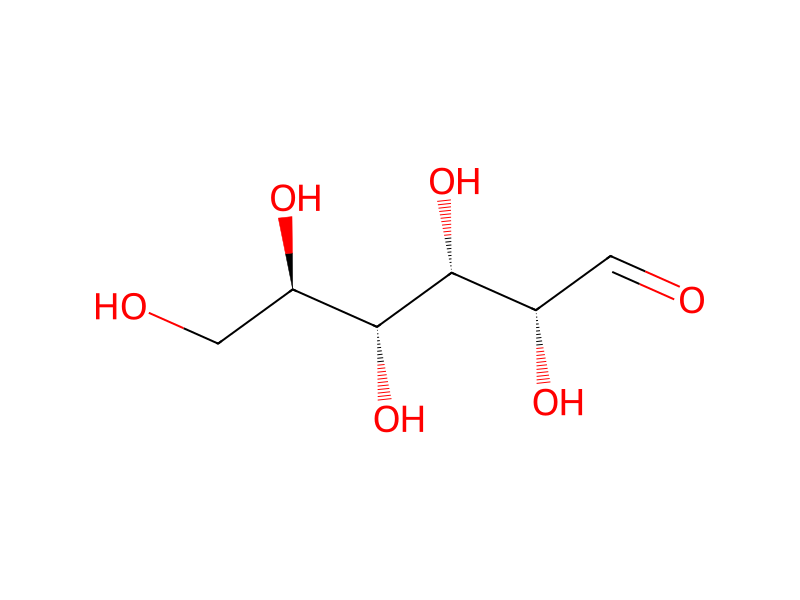


Conditions
- Temperature
- 30 °C
Procedure
Each of the microorganisms listed in Table 1 was planted in 50 ml of a medium containing 1% of glucose, 0.5% of peptone, and 0.3% of yeast extract, and was shaking-cultured for 48 hours at 30° C. The culture medium was centrifuged to obtain the cells, which were then put into a test tube and suspended with 1 ml of 1 M sodium phosphate buffer solution (pH 7.0) added thereto. With 1 mg of dl-2-methylaminopropiophenone hydrochloride added thereto, the mixture was shaken for 24 hours at 30° C., so as to effect a reaction. After the reaction was completed, the reaction mixture was centrifuged, so as to remove the cells, and the supernatant was subjected to HPLC (μBondapakphenyl, manufactured by Waters Corporation, with a diameter of 4 mm, a length of 300 mm, an eluent of 0.05 M sodium phosphate buffer solution (containing 7% of acetonitrile), pH 5.0, a flow rate of 0.8 mL/min, and a detection wavelength of UV 220 nm), thereby yielding an optically active pseudoephedrine.
Workup
- extractionextract
- customto obtain the cells, which
- customwere then put into a test tube
- additionadded
- stirringthe mixture was shaken for 24 hours at 30° C.
- customa reaction
- customso as to remove the cells
Sources & evidence
- ORD record
- ord-10235c7a8beb4f72b425376bea2045a7
- Source dataset
- uspto-grants-2007_01
- Patent number
- US07166452B2
Reaction notes
Loading…