Anisole → Indene
Reaction equation

[C:1]1([CH2:7][C:8](Cl)=[O:9])[CH:6]=[CH:5][CH:4]=[CH:3][CH:2]=1.[C:11]1(OC)[CH:16]=[CH:15][CH:14]=[CH:13][CH:12]=1.[CH3:19]CS.[Al+3].[Cl-].[Cl-].[Cl-]>C(=S)=S.[Cl-].[Al+3].[Cl-].[Cl-]>[C:11]1([C:8]([CH2:7][C:1]2[CH:6]=[CH:5][CH:4]=[CH:3][CH:2]=2)=[O:9])[CH:16]=[CH:15][CH:14]=[CH:13][CH:12]=1.[CH2:19]1[C:6]2[C:1](=[CH:2][CH:3]=[CH:4][CH:5]=2)[CH:7]=[CH:8]1Participants
Reactant 3

Product 2

Reagents, catalysts & solvents 2


Procedure
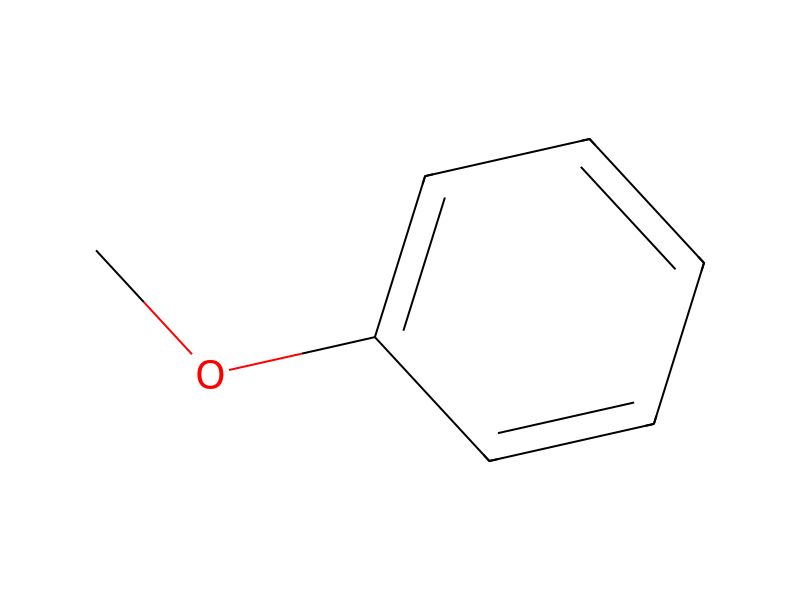
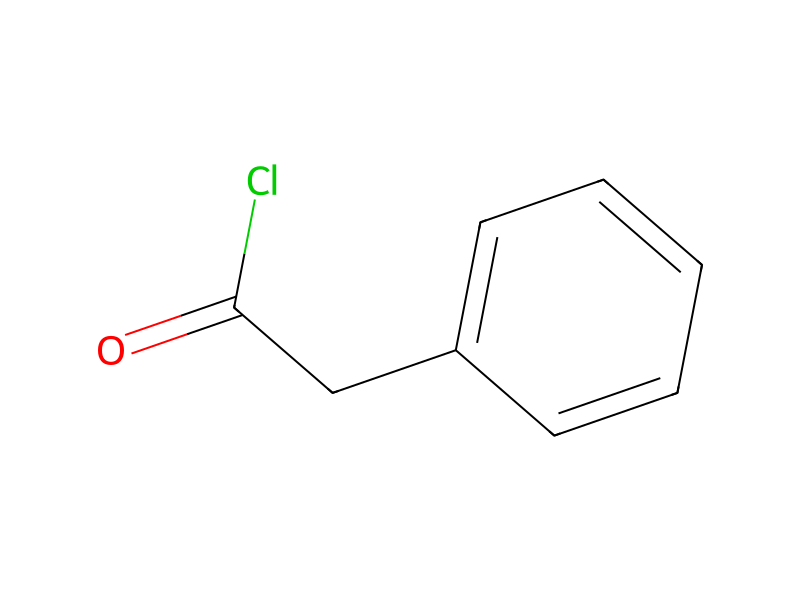
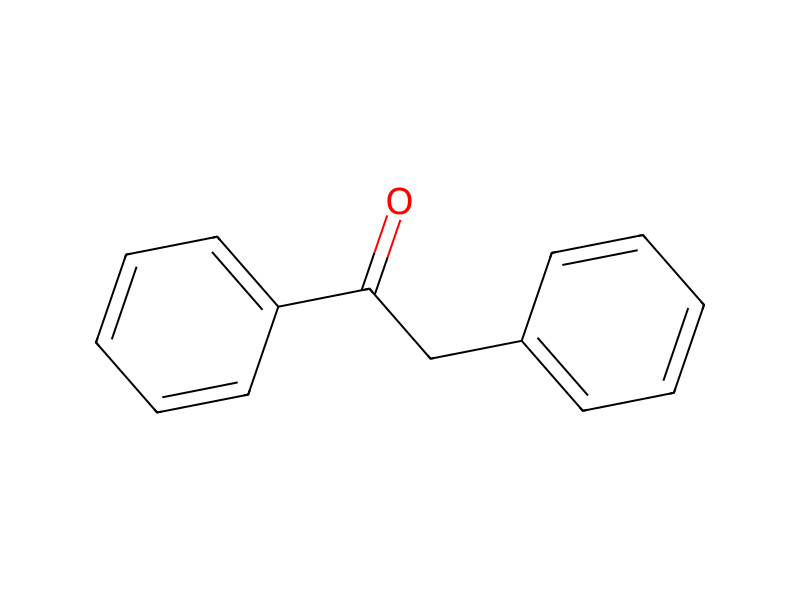
Treatment of p-methoxydeoxybenzoin (32) (FIG. 4) with PCl5 in refluxing benzene provided p-methoxy-α'-chlorostilbene 33 (Nagano, 1955), which underwent Friedel-Crafts conditions with anisole to furnish the triarylethylene 34. The carbonyl group in deoxybenzoin 32 was converted to a gem-dichloride intermediate, using phosphorous pentachloride, and with the subsequent elimination of HCl, the vinyl chloride 33 was obtained. Compound 32 was prepared using Friedel-Crafts conditions involving phenylacetyl chloride and anisole in carbon disulfide and aluminum chloride (BUCK, J. S. AND IDE, W. S. (1932), "The isomeric desoxybenzanisoins", Journal of the American Chemical Society, 54, 3012). Demethylation of 35 was accomplished with EtSH/AlCl3, and 36 was isolated by column chromatography. Drying of phenol 36 at a high temperature resulted in the formation of an indene, which was observed previously (MAGARIAN, R. A., MELTON, S. AND NATARELLI, G. (1972), "2-Chloro-1-phenylindene from 1,1-dichloro-trans-2,3-diphenylcyclopropane", Journal of Pharmaceutical Sciences, 61, 1216). Compound 36 was isolated as the diacetate (37) using column chromatography.
Workup
- custom36 was isolated by column chromatography
- dry with materialDrying of phenol 36 at a high temperature
Sources & evidence
- ORD record
- ord-a08ae0b71ce249f0ab8e2a8c72a5e3a1
- Source dataset
- uspto-grants-1997_09
- Patent number
- US05663207
Reaction notes
Loading…