Hydrochloric Acid → HCID 178515546, compound
Reaction equation

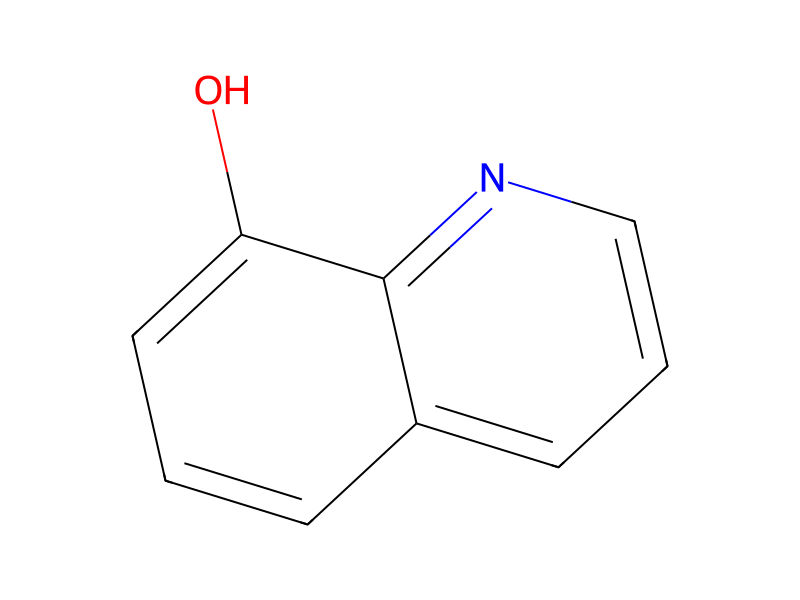
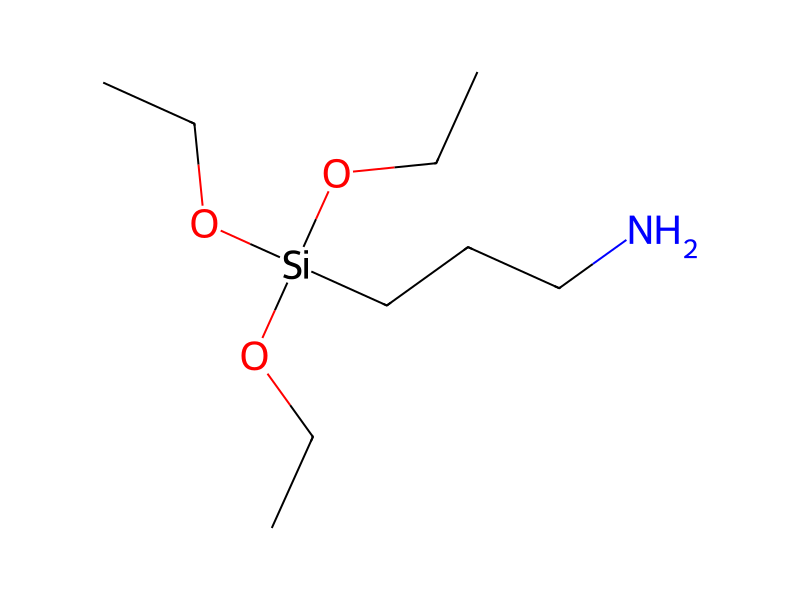
O[C:2]1[CH:3]=[CH:4][CH:5]=[C:6]2[C:11]=1[N:10]=[CH:9][CH:8]=[CH:7]2.C=O.Cl.NCCC[Si](OCC)(OCC)[O:20]CC.C[Si](C)(C)Cl.[N+](C1C=CC=CC=1)([O-])=O>C(N(CC)CC)C>[OH:20][C:9]1[CH:8]=[CH:7][C:6]2[C:11](=[CH:2][CH:3]=[CH:4][CH:5]=2)[N:10]=1Participants
8






Procedure
Preferably, Route A can be used. A chloromethylated ligand can be prepared, for example, by reacting 8-hydroxyquinoline with formaldehyde and hydrochloric acid. That derivative is further reacted with γ-aminopropyltriethoxysilane in the presence of trimethylchlorosilane and triethylamine and nitrobenzene. Next, the prepared organosilicon derivative is reacted with the support to obtain hydroxyquinoline modified silica gel. A sample of this sequence of reactions is described in further detail in Example 2 below.
Sources & evidence
- ORD record
- ord-7a5b8f9af296473c921ad5427b9a46a3
- Source dataset
- uspto-grants-1997_09
- Patent number
- US05668079
Reaction notes
Loading…