Methane → 4-Sulfobenzenediazonium hydroxide
Reaction equation

C.C1C(Br)=C(Br)[NH:4]C=1C(O)=[O:10].[S:12]([OH:22])(=[O:21])([C:14]1[CH:19]=[CH:18][C:17]([NH2:20])=[CH:16][CH:15]=1)=[O:13].[N+]([O-])=O>O>[OH-:10].[S:12]([C:14]1[CH:15]=[CH:16][C:17]([N+:20]#[N:4])=[CH:18][CH:19]=1)([OH:22])(=[O:21])=[O:13]Participants
Reactant 4
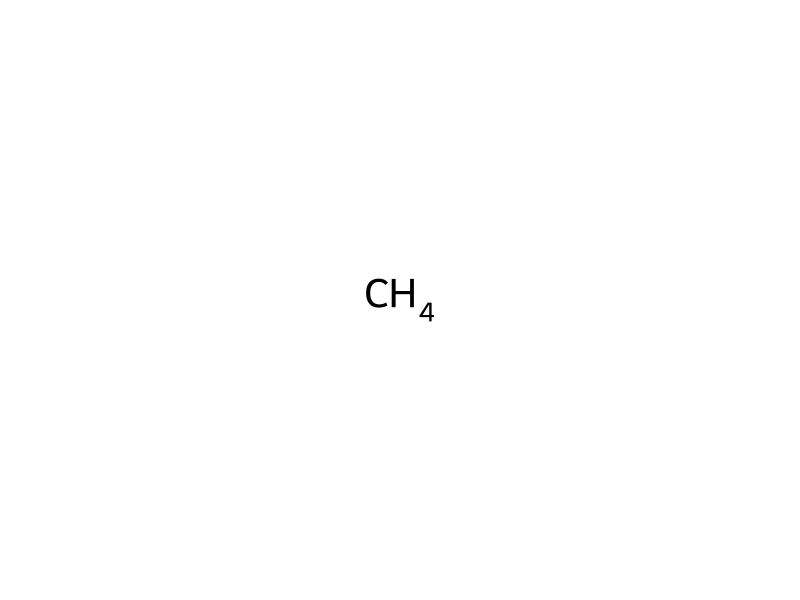
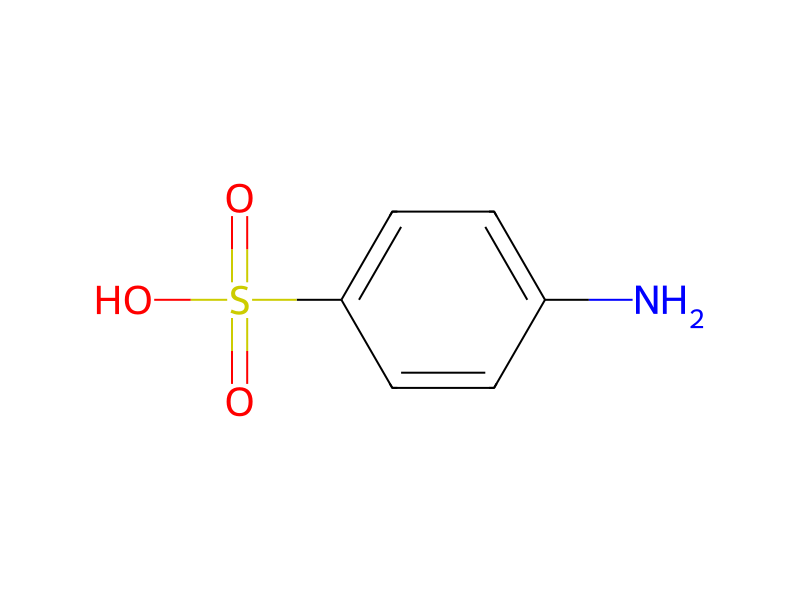


Product 1

Reagents, catalysts & solvents 1

Procedure
This example illustrates the preparation of a carbon black product of the present invention and the use of this carbon black product in an aqueous coating. A carbon black (200 g) with a CTAB surface area of 350 m2 /g and a DBPA of 120 ml/100 g was added to a stirred solution of 42.4 g sulfanilic acid in 2800 g of water. Nitrogen dioxide (25.5 g) was dissolved in 100 g of cold water and added to the carbon black product suspension. Bubbles were released. 4-Sulfobenzenediazonium hydroxide inner salt was formed in situ, which reacted with the carbon black. After stirring for one hour, 5 g of additional NO2 was added directly to the carbon black dispersion. The dispersion was stirred for an additional 15 minutes, and left overnight. The resulting carbon black product was recovered by drying the dispersion in an oven at 130° C.
Sources & evidence
- ORD record
- ord-763801f2cdd64e3c8cc7ae3e5838a1fa
- Source dataset
- uspto-grants-1997_09
- Patent number
- US05672198
Reaction notes
Loading…