Hydrazine hydrate (1:1) → HCID 178509165, compound
Reaction equation

[N:1]1([C:7]([O:9][CH2:10][C:11]2[CH:16]=[CH:15][CH:14]=[CH:13][CH:12]=2)=O)[CH2:6][CH2:5][NH:4][CH2:3][CH2:2]1.CS[C:19](SC)=[N:20][C:21]#[N:22].[OH2:25].[NH2:26][NH2:27]>C(#N)C>[NH2:22][C:21]1[NH:20][C:19]([N:4]2[CH2:5][CH2:6][N:1]([C:7]([O:9][CH2:10][C:11]3[CH:16]=[CH:15][CH:14]=[CH:13][CH:12]=3)=[O:25])[CH2:2][CH2:3]2)=[N:26][N:27]=1Participants
5
Reactant 3


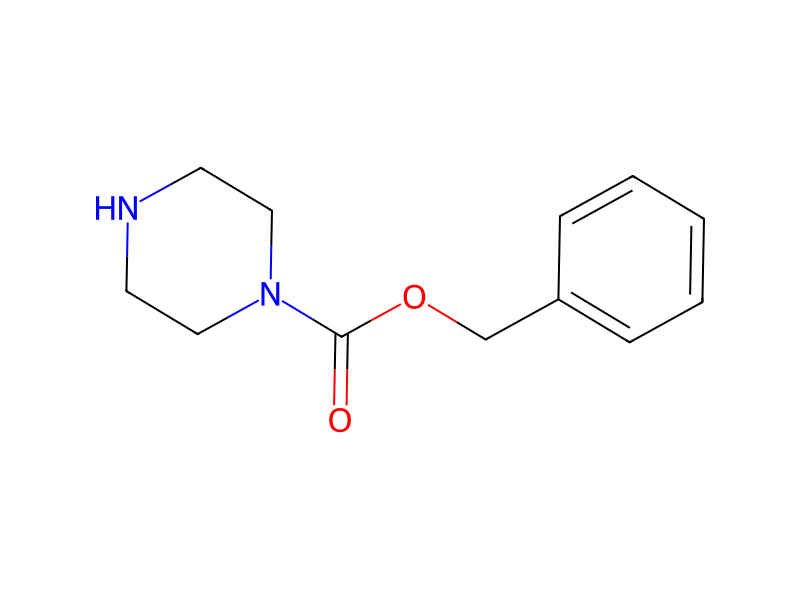
Product 1

Reagents, catalysts & solvents 1

Procedure
As for Example 3, a mixture of 66.0 g (0.3 moles) of benzyl N-piperazinecarboxylate and 43.8 g (0.3 moles) of dimethyl cyanodithioiminocarbonate in 300 ml of acetonitrile was refluxed for 16 hours. After cooling, filtration and washing, 16.0 ml (0.32 moles) of hydrazine hydrate was added to the filtrate and the mixture was refluxed for 4 hours. Cooling, filtration, and washing with cold acetonitrile, then hexane gave 74.7 g of the desired product as colorless crystals, mp 157°-159° C.
Workup
- temperaturewas refluxed for 16 hours
- temperatureAfter cooling
- filtrationfiltration
- washwashing
- temperaturethe mixture was refluxed for 4 hours
- temperatureCooling
- filtrationfiltration
- washwashing with cold acetonitrile
Sources & evidence
- ORD record
- ord-7cad9bec42854b41aef28d605d4168ba
- Source dataset
- uspto-grants-1986_04
- Patent number
- US04582833
Reaction notes
Loading…