Water → 2-(4-Chlorophenoxy)-1-(4-chlorophenyl)-2-methylpropan-1-one
Reaction equation

[Cl:1][C:2]1[CH:7]=[CH:6][C:5]([OH:8])=[CH:4][CH:3]=1.C(=O)([O-])[O-].[K+].[K+].O.[Cl:16][C:17]1[CH:22]=[CH:21][C:20]([C:23]([C:25](Br)([CH3:27])[CH3:26])=[O:24])=[CH:19][CH:18]=1>C1(C)C=CC=CC=1>[Cl:1][C:2]1[CH:7]=[CH:6][C:5]([O:8][C:25]([C:23]([C:20]2[CH:19]=[CH:18][C:17]([Cl:16])=[CH:22][CH:21]=2)=[O:24])([CH3:27])[CH3:26])=[CH:4][CH:3]=1Participants
6

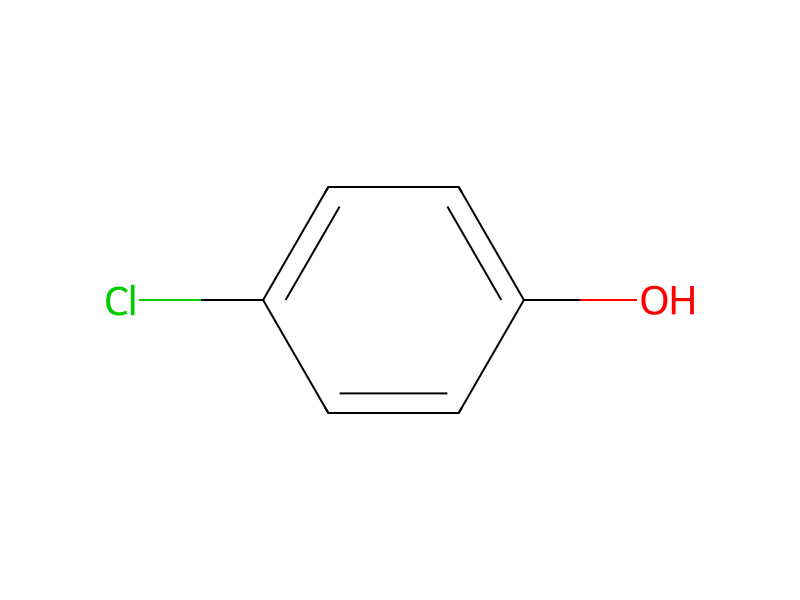




Conditions
- Temperature
- 40 °C
Procedure
52 g (0.3982 mol) of p-chlorophenol and 55 g (0.3982 mol) of potassium carbonate in 400 ml of toluene are heated under reflux for 2 hours, using a water separator. The mixture is cooled to 40° C. and a solution of 2-bromo-prop-2-yl 4-chlorophenyl ketone in 170 ml of toluene is added dropwise. This reaction mixture is subsequently stirred at 100° C. for 5 hours and is then cooled, water is added and the organic phase is separated off. This phase is washed with dilute sodium hydroxide solution and water, dried over sodium sulphate and concentrated. 87 g (85% of theory) of crude 4-chlorophenyl 2-(p-chlorophenoxy)-prop-2-yl ketone are obtained and are further reacted directly. ##STR160##
Workup
- temperatureunder reflux for 2 hours
- temperatureis then cooled
- customthe organic phase is separated off
- washThis phase is washed with dilute sodium hydroxide solution and water
- dry with materialdried over sodium sulphate
- concentrationconcentrated
Sources & evidence
- ORD record
- ord-fcef4b0198d04eddb2296940c5f41692
- Source dataset
- uspto-grants-1986_04
- Patent number
- US04584308
Reaction notes
Loading…