Hydrochloric Acid → 4-Nitro-3-(4-chlorophenyl)heptanedioic acid dimethyl ester
Reaction equation

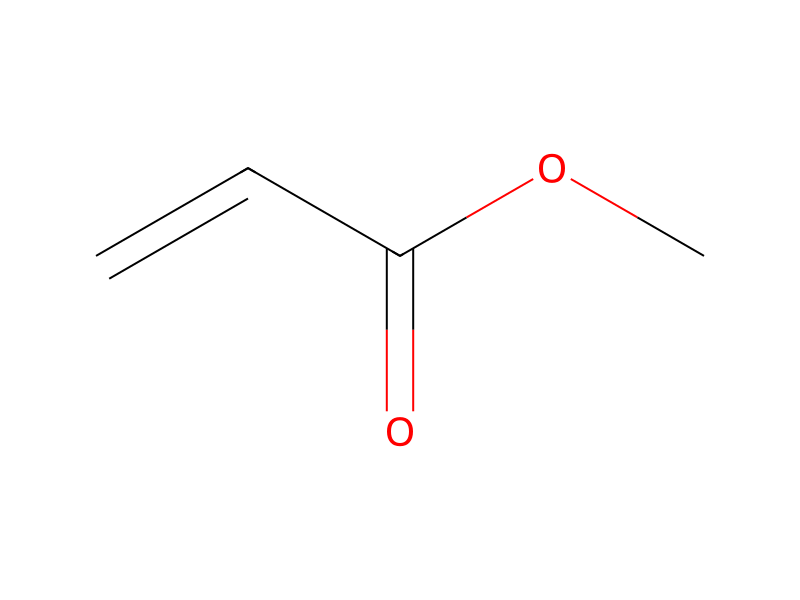
[CH3:1][O:2][C:3](=[O:17])[CH2:4][CH:5]([C:10]1[CH:15]=[CH:14][C:13]([Cl:16])=[CH:12][CH:11]=1)[CH2:6][N+:7]([O-:9])=[O:8].[C:18]([O:22][CH3:23])(=[O:21])[CH:19]=[CH2:20].Cl>C(O)(C)(C)C.C(OCC)C>[CH3:1][O:2][C:3](=[O:17])[CH2:4][CH:5]([C:10]1[CH:11]=[CH:12][C:13]([Cl:16])=[CH:14][CH:15]=1)[CH:6]([N+:7]([O-:9])=[O:8])[CH2:20][CH2:19][C:18]([O:22][CH3:23])=[O:21]Participants
6





Procedure
A solution of 337 g of 4-nitro-3-(4-chlorophenyl)butanoic acid methyl ester, 118 g of methyl acrylate, and 25 ml of Triton B in 500 ml of t-butanol is allowed to stir at room temperature for 94 hours. Excess aqueous hydrochloric acid (1 N) is added and the solution is diluted with diethyl ether. The organic layer is separated, dried over anhydrous magnesium sulfate and evaporated to give 4-nitro-3-(4-chlorophenyl)heptanedioic acid dimethyl ester.
Workup
- customThe organic layer is separated
- dry with materialdried over anhydrous magnesium sulfate
- customevaporated
Sources & evidence
- ORD record
- ord-e20d3e507e144d9fb62ba9f1fd33b39a
- Source dataset
- uspto-grants-1986_04
- Patent number
- US04584313
Reaction notes
Loading…