4-Chlorophenol → 1-(4-Chlorophenoxy)-3-methylbutan-2-one
Reaction equation

Br[CH2:2][C:3](=[O:7])[CH:4]([CH3:6])[CH3:5].[Cl:8][C:9]1[CH:14]=[CH:13][C:12]([OH:15])=[CH:11][CH:10]=1.C(=O)([O-])[O-].[K+].[K+]>C(C(C)=O)C>[Cl:8][C:9]1[CH:14]=[CH:13][C:12]([O:15][CH2:2][C:3](=[O:7])[CH:4]([CH3:6])[CH3:5])=[CH:11][CH:10]=1Participants
Reactant 3
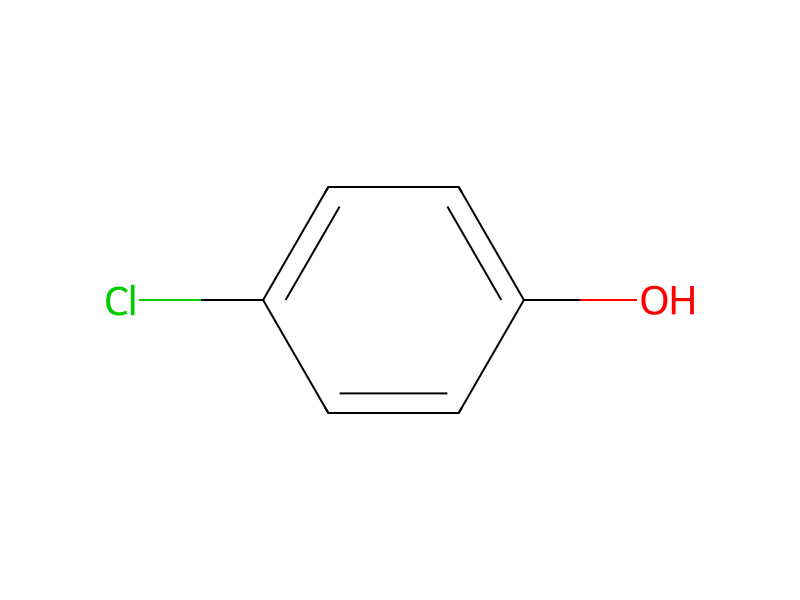


Product 1

Reagents, catalysts & solvents 1

Procedure
338 g (2.77 mols) of 1-bromo-3-methyl-butan-2-one were rapidly added dropwise to a mixture of 357 g (2.78 mols) of 4-chlorophenol and 483 g (3.5 mols) of potassium carbonate in 2.5 liters of methyl ethyl ketone. The mixture was heated under reflux for 16 hours and then filtered. The filtrate was concentrated by stripping off the solvent under reduced pressure, the residue was taken up in methylene chloride and the organic phase was washed twice with 2N aqueous sodium hydroxide solution, once with water and once with saturated aqueous sodium chloride solution. After drying, the organic phase was concentrated by stripping off the solvent. The residue which remained was distilled under a high vacuum. 435 g (74% of theory) of 1-(4-chlorophenoxy)-3-methyl-butan-2-one were obtained in this manner.
Workup
- temperatureThe mixture was heated
- temperatureunder reflux for 16 hours
- filtrationfiltered
- concentrationThe filtrate was concentrated
- washthe organic phase was washed twice with 2N aqueous sodium hydroxide solution, once with water and once with saturated aqueous sodium chloride solution
- customAfter drying
- concentrationthe organic phase was concentrated
- distillationThe residue which remained was distilled under a high vacuum
Sources & evidence
- ORD record
- ord-110beac42c8444d9845d14336f66a7ea
- Source dataset
- uspto-grants-1986_04
- Patent number
- US04584373
Reaction notes
Loading…