Hydrochloric Acid → Trans-4-(2-chlorophenoxy)-1-ethyl-3-pyrrolidinol Hydrochloride
Reaction equation

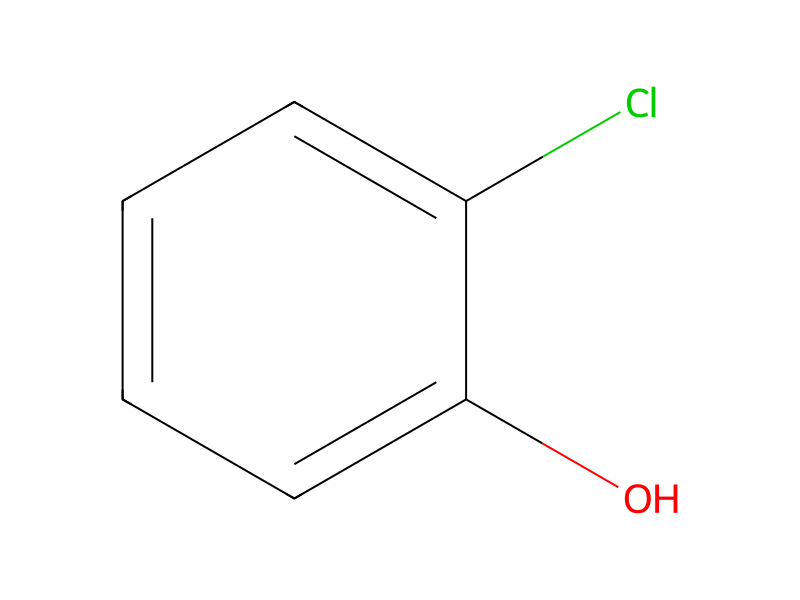
[CH2:1]([N:3]1[CH2:7][CH:6]2[O:8][CH:5]2[CH2:4]1)[CH3:2].[Cl:9][C:10]1[CH:15]=[CH:14][CH:13]=[CH:12][C:11]=1[OH:16].Cl>Cl.C(Cl)Cl>[ClH:9].[Cl:9][C:10]1[CH:15]=[CH:14][CH:13]=[CH:12][C:11]=1[O:16][C@@H:6]1[CH2:7][N:3]([CH2:1][CH3:2])[CH2:4][C@H:5]1[OH:8]Participants
6




Procedure
A mixture of 17.0 g. (0.15 mole) of 1-ethyl-3,4-epoxypyrrolidine, 20.5 g. (0.16 mole) of a o-chlorophenol and 3 drops concentrated hydrochloric acid was heated on a steam both overnight. The oil was dissolved in methylene chloride and washed with three 50-ml. portions of 5% sodium hydroxide and one 50-ml. portion of water. The methylene chloride solution was dried over anhydrous sodium sulfate, concentrated and chromatographed on silica gel to give 8.9 g. (25%) of an oil as residue. The oil was converted to the hydrochloride and recrystallized from ethyl acetateacetonitrile to yield white powder, m.p. 108°-110° C.
Workup
- additionA mixture of 17.0 g
- washwashed with three 50-ml
- dry with materialThe methylene chloride solution was dried over anhydrous sodium sulfate
- concentrationconcentrated
- customchromatographed on silica gel
- customto give 8.9 g
- customrecrystallized from ethyl acetateacetonitrile
- customto yield white powder, m.p. 108°-110° C.
Sources & evidence
- ORD record
- ord-7137204c6b1f432d826ea5b8ca9ecfc6
- Source dataset
- uspto-grants-1986_04
- Patent number
- US04585785
Reaction notes
Loading…