Cyclohexylamine → 5-Chloro-N-cyclohexylpentanamide
Reaction equation

[Cl:1][CH2:2][CH2:3][CH2:4][CH2:5][C:6](Cl)=[O:7].[CH:9]1([NH2:15])[CH2:14][CH2:13][CH2:12][CH2:11][CH2:10]1.C(N(CC)CC)C.CN(C1C=CC=CN=1)C>ClCCl>[CH:9]1([NH:15][C:6](=[O:7])[CH2:5][CH2:4][CH2:3][CH2:2][Cl:1])[CH2:14][CH2:13][CH2:12][CH2:11][CH2:10]1Participants
Reactant 4


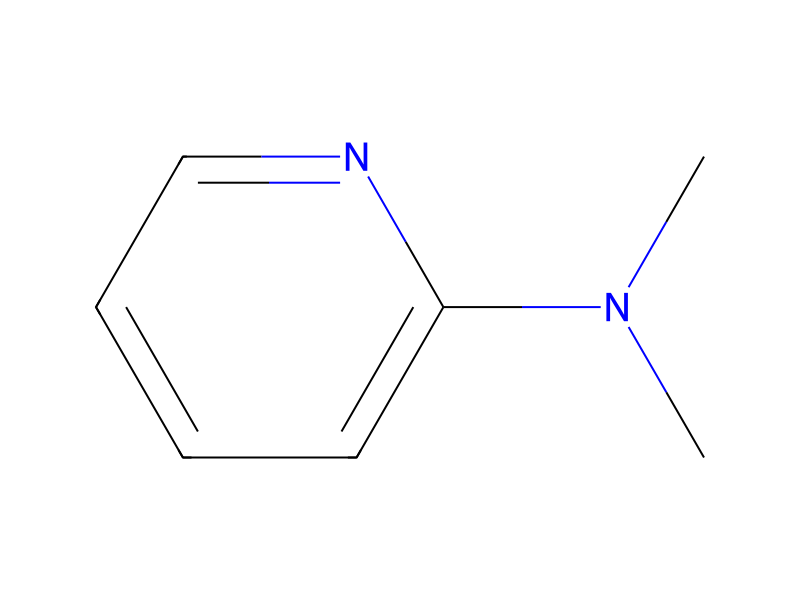
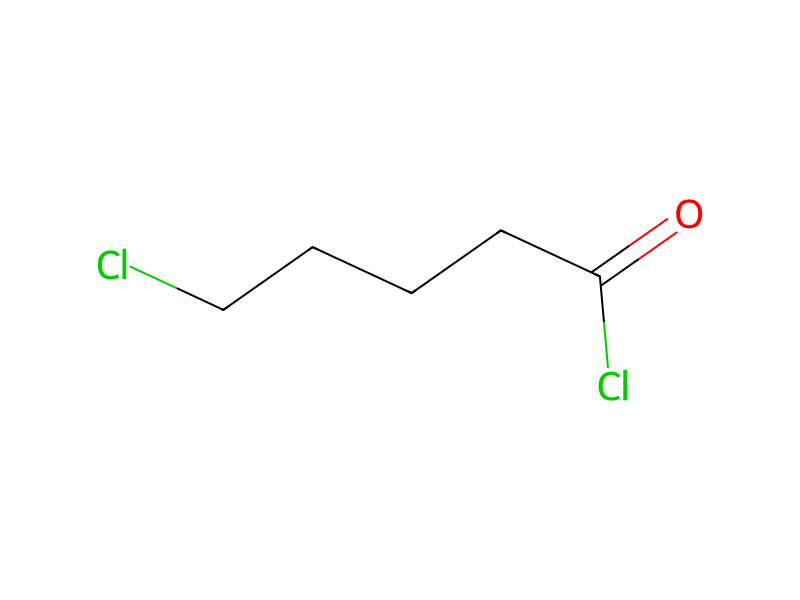
Product 1

Reagents, catalysts & solvents 1

Conditions
- Temperature
- 0 °C
Procedure
A stirred solution of 5-chlorovaleryl chloride (50.0 g, 0.322 mol) in dichloromethane (300 ml) at 0° C. was treated dropwise with a solution containing cyclohexylamine (31.68 g, 0.320 mol), triethylamine (32.32 g, 0.320 mol) and dimethylaminopyridine (0.02 g) in dichloromethane (300 ml). The resulting solution was stirred for 2 hours at 0° C. and then for an additional 16 hours at room temperature. The solution was diluted with dichloromethane (400 ml), washed with water (3×200 ml), saturated aqueous sodium hydrogen carbonate (3×100 ml), saturated aqueous ammonium chloride (3×100 ml), and brine (2×100 ml) and then dried over anhydrous sodium sulfate. The solvent was evaporated off under reduced pressure to yield a crude product. The crude product was recrystallized from ethyl acetate-hexane to yield N-cyclohexyl-5-chloropentanamide as a colorless crystalline solid, having a melting point of 70°-71° C. and the following physical characteristics:
Workup
- waitfor an additional 16 hours at room temperature
- washwashed with water (3×200 ml), saturated aqueous sodium hydrogen carbonate (3×100 ml), saturated aqueous ammonium chloride (3×100 ml), and brine (2×100 ml)
- dry with materialdried over anhydrous sodium sulfate
- customThe solvent was evaporated off under reduced pressure
- customto yield a crude product
- customThe crude product was recrystallized from ethyl acetate-hexane
Sources & evidence
- ORD record
- ord-a5fa354a8be8430e9d9400c4ef7a1c23
- Source dataset
- uspto-grants-1989_02
- Patent number
- US04804658
Reaction notes
Loading…