Hydrochloric Acid → 4-(Azetidin-3-yl)morpholine dihydrochloride
Reaction equation

C1(C(C2C=CC=CC=2)[N:8]2[CH2:11][CH:10]([N:12]3[CH2:17][CH2:16][O:15][CH2:14][CH2:13]3)[CH2:9]2)C=CC=CC=1.[ClH:24]>[OH-].[Pd+2].[OH-].C(O)C>[ClH:24].[ClH:24].[O:15]1[CH2:16][CH2:17][N:12]([CH:10]2[CH2:11][NH:8][CH2:9]2)[CH2:13][CH2:14]1Participants
5
Reactant 2


Product 1

Reagents, catalysts & solvents 2

Procedure
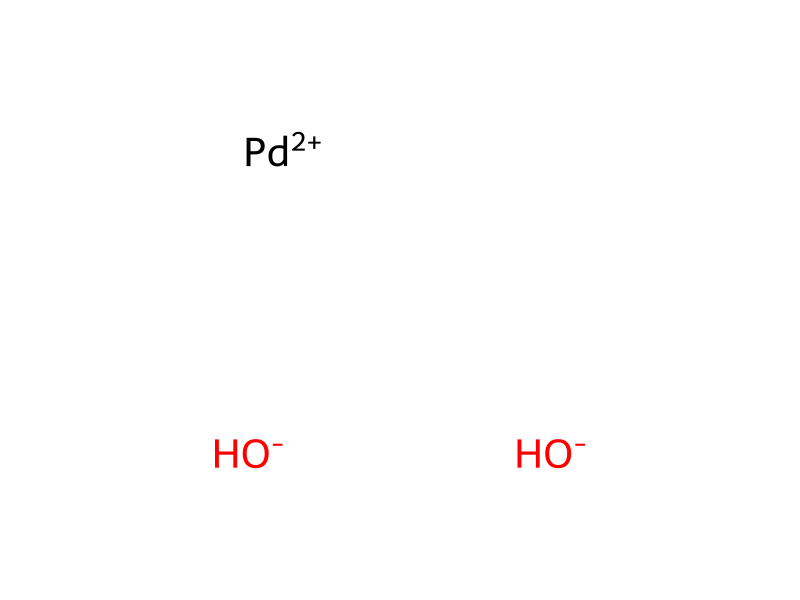
A mixture of 1-diphenylmethyl-3-morpholinoazetidine (prepared in an analogous manner to the compound of preparation 22 above) (18.6 g), palladium hydroxide (2 g), ethanol (200 ml) and 1N aqueous hydrochloric acid solution (52 ml) was stirred under an atmosphere of hydrogen at 345 kPa (50 p.s.i.) for 3 days. The catalyst was then removed by filtration and the filtrate evaporated to dryness. Addition of dichloromethane (100 ml) to the residue and trituration gave a solid which was recrystallised from methanol to give the title compound (10.2 g).
Workup
- customThe catalyst was then removed by filtration
- customthe filtrate evaporated to dryness
- additionAddition of dichloromethane (100 ml) to the residue and trituration
- customgave a solid which
- customwas recrystallised from methanol
Sources & evidence
- ORD record
- ord-7ad0e197b7a94a1fa2a8b5c8fcdc2e0d
- Source dataset
- uspto-grants-2001_07
- Patent number
- US06262046B1
Reaction notes
Loading…