Pivaloyl chloride → HCID 70238042, compound
Reaction equation

Cl.[CH3:2][O:3][C:4]([C@@H:6]1[C@@H:10]([C:11]2[CH:16]=[CH:15][C:14]([OH:17])=[CH:13][CH:12]=2)[CH2:9][CH2:8][NH:7]1)=[O:5].C([O-])(O)=O.[Na+].[CH3:23][C:24]([CH3:29])([CH3:28])[C:25](Cl)=[O:26]>C1COCC1.O.C(OCC)(=O)C>[CH3:2][O:3][C:4]([C@@H:6]1[C@@H:10]([C:11]2[CH:12]=[CH:13][C:14]([OH:17])=[CH:15][CH:16]=2)[CH2:9][CH2:8][N:7]1[C:25](=[O:26])[C:24]([CH3:29])([CH3:28])[CH3:23])=[O:5]Participants





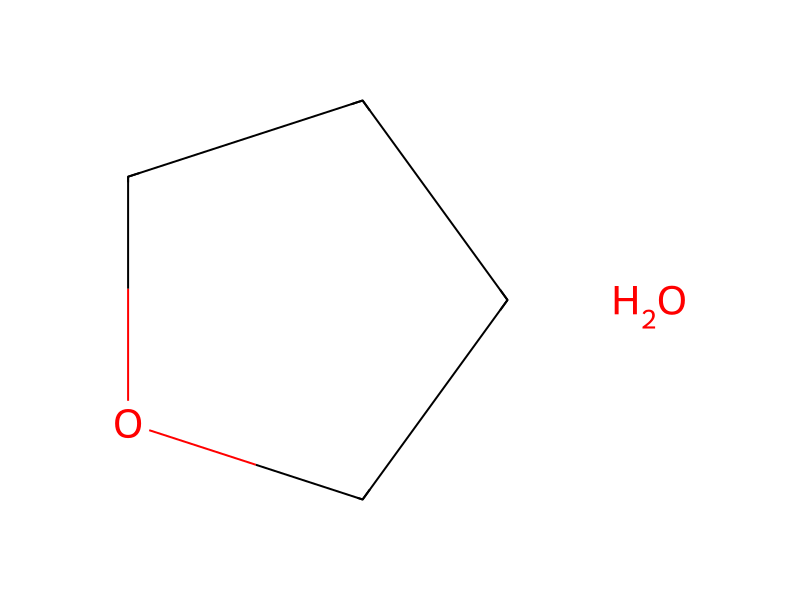
Procedure
To the solution of (2S,3R)-3-(4-hydroxyphenyl)pyrolidine-2-carboxylic acid methyl ester hydrochloride (200 mg, 0.76 mmol), prepared in Example 20, in THF/H2O (2 mL/1 mL) was added saturated NaHCO3 (5 mL). To the above mixture was added trimethylacetyl chloride (420 mg, 3.5 mmol) over 20 min. The resulting solution was then stirred at room temperature for 4 hours and was diluted with ethyl acetate to 30 mL. The organic layer was then washed with brine (2×5 mL) and was concentrated to give (2S,3R)-1-(1-oxo-2,2,2-trimethylethyl)-3-(4-hydroxyphenyl)pyrolidine-2-carboxylic acid methyl ester as a white solid (320 mg). This solid was dissolved in 3 mL of EtOH and was stirred with 1N sodium hydroxide (3 mL, 3 mmol) at room temperature for 8 hours. After acidification with 6N HCl, the solvent was removed and the residue was extracted with dichloromethane. After concentration, the residue was washed ether to give (2S,3R)-1-(2,2-dimethyl-1-oxopropyl)-3-(4-hydroxyphenyl)pyrolidine-2-carboxylic acid as a white solid (117 mg). HRMS (M+H): Obs. 292.1556, Cald. 292.1549.
Workup
- washThe organic layer was then washed with brine (2×5 mL)
- concentrationwas concentrated
Sources & evidence
- ORD record
- ord-3e593ab042b448e0a8503a793281fdd6
- Source dataset
- uspto-grants-2001_07
- Patent number
- US06265572B1
Reaction notes
Loading…