p-Toluenesulfonic acid → HCID 17917423, compound
Reaction equation

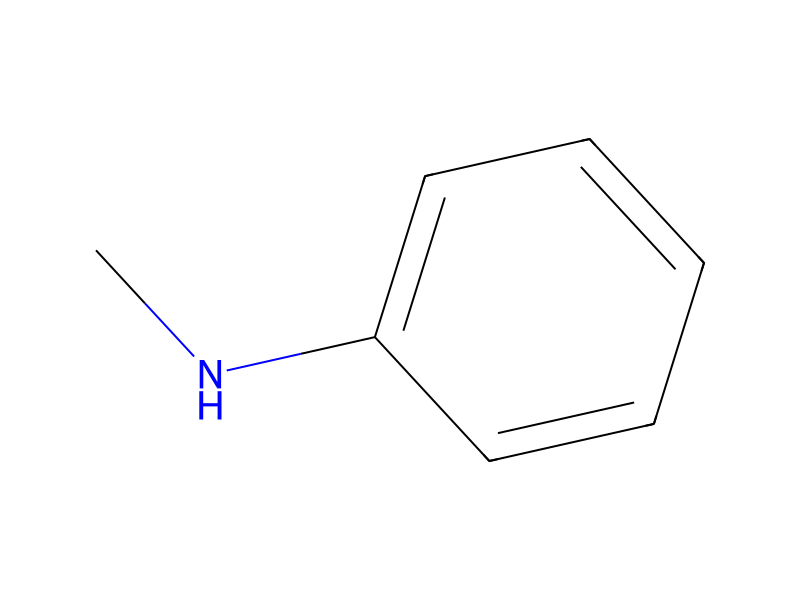
[C:1]1(=O)[C:9]2[C:4](=[CH:5][CH:6]=[CH:7][CH:8]=2)[CH2:3][CH2:2]1.[CH3:11][NH:12][C:13]1[CH:18]=[CH:17][CH:16]=[CH:15][CH:14]=1.C1(C)C=CC(S(O)(=O)=O)=CC=1>C1(C)C=CC=CC=1>[CH3:11][N:12]([C:13]1[CH:18]=[CH:17][CH:16]=[CH:15][CH:14]=1)[C:1]1[C:9]2[C:4](=[CH:5][CH:6]=[CH:7][CH:8]=2)[CH2:3][CH:2]=1Participants
Reactant 3


Product 1

Reagents, catalysts & solvents 1

Procedure
Into a dry flask equipped with a Dean-Stark trap and a reflux condenser were placed 1-indanone (10.0 g, 75.7 mmol). N-methylaniline (15.1 g, 141 mmol) and toluene (200 mL). A catalytic amount of p-toluenesulfonic acid (0.1 g) was added and the mixture was refluxed under N2 for 96 hours. The reaction was cooled and the toluene was removed under reduced pressure before the remaining material was distilled under vacuum. The highest boiling fraction (6.8 g; bp 150-2° C./0.7 mm Hg) was collected as a yellow oil which solidified to a yellow-orange solid on standing. This material was stored in a glove box. Analysis by NMR indicated ca. 10 percent N-methylaniline in the product. However, further distillation on another sample of distilled enamine was not successful in lowering the amount of unwanted amine in the product.
Workup
- customInto a dry flask equipped with a Dean-Stark trap and a reflux condenser
- temperaturethe mixture was refluxed under N2 for 96 hours
- temperatureThe reaction was cooled
- customthe toluene was removed under reduced pressure before the remaining material
- distillationwas distilled under vacuum
- customThe highest boiling fraction (6.8 g; bp 150-2° C./0.7 mm Hg) was collected as a yellow oil which
- customThis material was stored in a glove box
- distillationHowever, further distillation on another sample of distilled enamine
Sources & evidence
- ORD record
- ord-07acca8efd044551adbe15080ef4e0be
- Source dataset
- uspto-grants-2001_07
- Patent number
- US06268444B1
Reaction notes
Loading…