Pivaloyl chloride → HCID 178477387, compound
Reaction equation

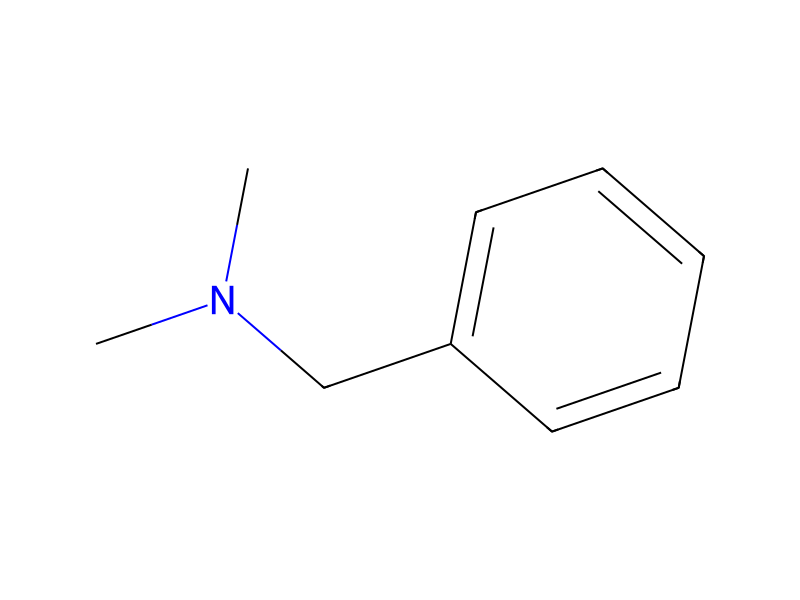
[S:1]1[CH:5]=[CH:4][CH:3]=[C:2]1[S:6]([CH:8]([CH3:12])[C:9]([OH:11])=O)=[O:7].C(Cl)(=O)C(C)(C)C.[NH2:20][CH:21]1[C:39](=[O:40])[N:23]2[C:24]([C:36]([OH:38])=[O:37])=[C:25]([CH:28]([S:30][C:31]3[NH:35][N:34]=[N:33][N:32]=3)[CH3:29])[CH2:26][S:27][C@H:22]12.C[Si](C([Si](C)(C)C)C(N)=O)(C)C>CN(CC1C=CC=CC=1)C.C(Cl)Cl.C(N(CC)CC)C>[S:1]1[CH:5]=[CH:4][CH:3]=[C:2]1[S:6]([CH:8]([CH3:12])[C:9]([NH:20][CH:21]1[C:39](=[O:40])[N:23]2[C:24]([C:36]([OH:38])=[O:37])=[C:25]([CH:28]([S:30][C:31]3[NH:32][N:33]=[N:34][N:35]=3)[CH3:29])[CH2:26][S:27][C@H:22]12)=[O:11])=[O:7]Participants
Reactant 4



Product 1

Reagents, catalysts & solvents 3


Conditions
- Temperature
- -10 °C
Procedure
408 mg. of 2-(2-thienylsulfinyl)propionic acid of the R form were dissolved in 12 ml. of dry methylene chloride and 0.3 ml. of triethylamine and 2 drops of N,N-dimethylbenzylamine were added to the solution. The mixture was agitated and cooled to -10° C., and 0.2 g. of pivaloyl chloride was added thereto. Then the mixture was agitated at -10° C. for 2 hours, and a liquid mixture of 656 mg. of 7-amino-3-(1-methyl-1H-tetrazol-5-ylthiomethyl)-3-cephem-4-carboxylic acid, 20 ml. of dry methylene chloride and 400 mg. of bis-trimethylsilylacetamide blended and stirred at room temperature for 1 hour, was added to the above mixture, and agitated for 30 minutes at -10° C., for 30 minutes at 0° C. and for another 1 hour at room temperature. After completion of the reaction the solvent was distilled off under reduced pressure and the residue was dissolved in 3% aqueous sodium bicarbonate solution. Then the solution was extracted with ethyl acetate 3 times, and the pH of the aqueous layer was adjusted to 3.0 by 2 N hydrochloric acid. The aqueous layer was allowed to stand in a cooling place until precipitate was formed. The precipitate was collected, dried and recrystallized from water-methanol to obtain 7-[2-(2-thienylsulfinyl)propionamido]-3-(1-methyl-1H-tetrazol-5-ylthiomethyl)-3-cephem-4-carboxylic acid. The filtrate separated from the precipitate was extracted with ethyl acetate. The organic layer was dried by magnesium sulfate and concentrated, and the resulting residue was dissolved in methanol. The solution was subjected to column chromatography using Sephadex LH-20(manufactured and sold by Pharmacia Fine Chemicals AB, Sweden) and the product was fractionally recovered and concentrated. The resulting powder was the same as the above crystal obtained by recrystallization from water-methanol. The total amount of the obtained product was 440 mg.
Workup
- stirringThen the mixture was agitated at -10° C. for 2 hours
- additiona liquid mixture of 656 mg
- stirringstirred at room temperature for 1 hour
- additionwas added to the above mixture
- stirringagitated for 30 minutes at -10° C., for 30 minutes at 0° C. and for another 1 hour at room temperature
- customAfter completion of the reaction the solvent
- distillationwas distilled off under reduced pressure
- dissolutionthe residue was dissolved in 3% aqueous sodium bicarbonate solution
- extractionThen the solution was extracted with ethyl acetate 3 times
- customwas formed
- customThe precipitate was collected
- customdried
- customrecrystallized from water-methanol
Sources & evidence
- ORD record
- ord-71ba8339152e45b6a15b01fa49ba6aac
- Source dataset
- uspto-grants-1981_01
- Patent number
- US04245107
Reaction notes
Loading…