Hydrochloric Acid → 2,3-Dihydro-1H-isoindol-5-amine
Reaction equation

C([N:8]1[CH2:16][C:15]2[C:10](=[CH:11][CH:12]=[C:13]([N+:17]([O-])=O)[CH:14]=2)[CH2:9]1)C1C=CC=CC=1.Cl>CCO.[OH-].[OH-].[Pd+2]>[NH2:17][C:13]1[CH:14]=[C:15]2[C:10](=[CH:11][CH:12]=1)[CH2:9][NH:8][CH2:16]2Participants
Reactant 2


Product 1

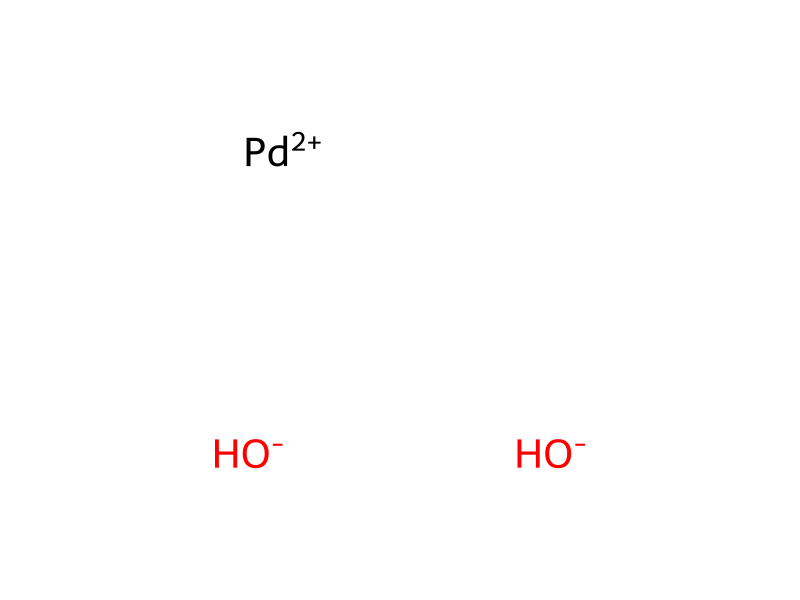
Reagents, catalysts & solvents 2

Procedure
Part B. To a solution of the isoindoline (5.40 g, 21.3 mmol) made above in EtOH (266 mL) under N2 was added 20% Pd(OH)2/C (3.00 g, 4.25 mmol). The reaction mixture was hydrogenated at 45 psi for 1 h. TLC analysis indicated that the nitro functionality was reduced and the Bn group was still intact. Therefore, concentrated HCl (1.6 mL, 19.1 mmol) was added to the reaction mixture and hydrogenation (50 psi) was continued overnight. The mixture was filtered through Celite®, washed with MeOH, and the filtrate was concentrated to one fourth of the volume. The precipitate was filtered off to provide the 5-aminoisoindoline.HCl (1.32 g, 36% yield): 1H NMR (500 MHz, CDCl3) δ 9.88 (s, br, 2H), 7.00 (d, 1H), 6.54 (m, 2H), 5.44 (s, br, 2H), 4.32 (s, 2H), 4.28 (s, 2H); ESI MS m/z 135 (M−HCl+H)+.
Workup
- waitwas continued overnight
- filtrationThe mixture was filtered through Celite®
- washwashed with MeOH
- concentrationthe filtrate was concentrated to one fourth of the volume
- filtrationThe precipitate was filtered off
Sources & evidence
- ORD record
- ord-18255c178f15439ca25b14ba96028b82
- Source dataset
- uspto-grants-2008_03
- Patent number
- US07338963B2
Reaction notes
Loading…