Sorbitol → L-Ascorbic Acid
Reaction equation

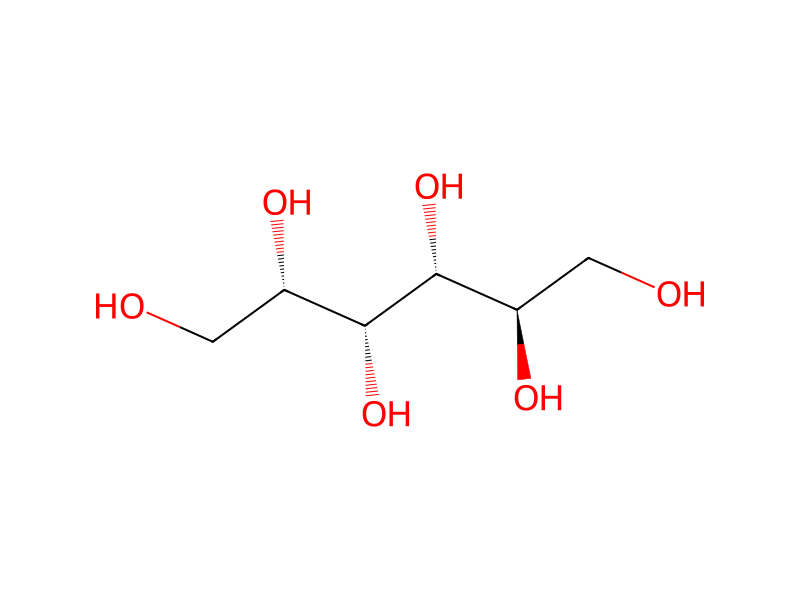
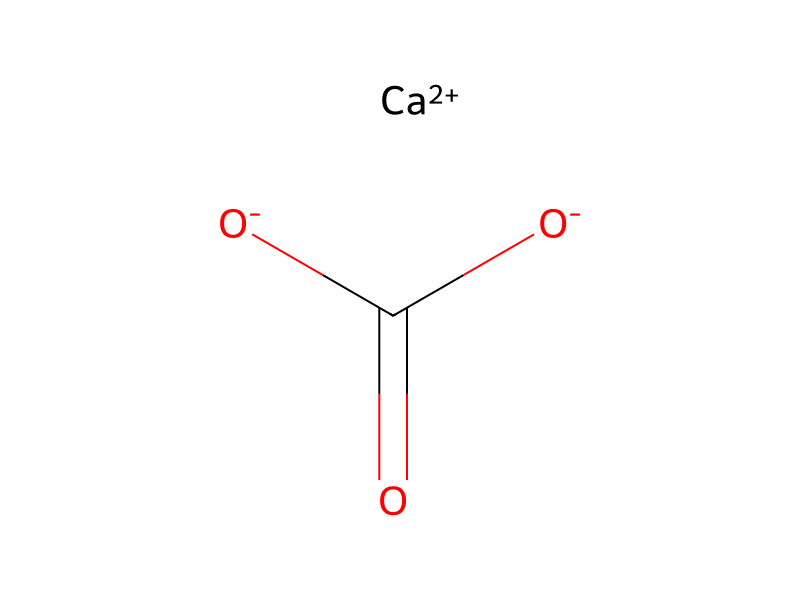
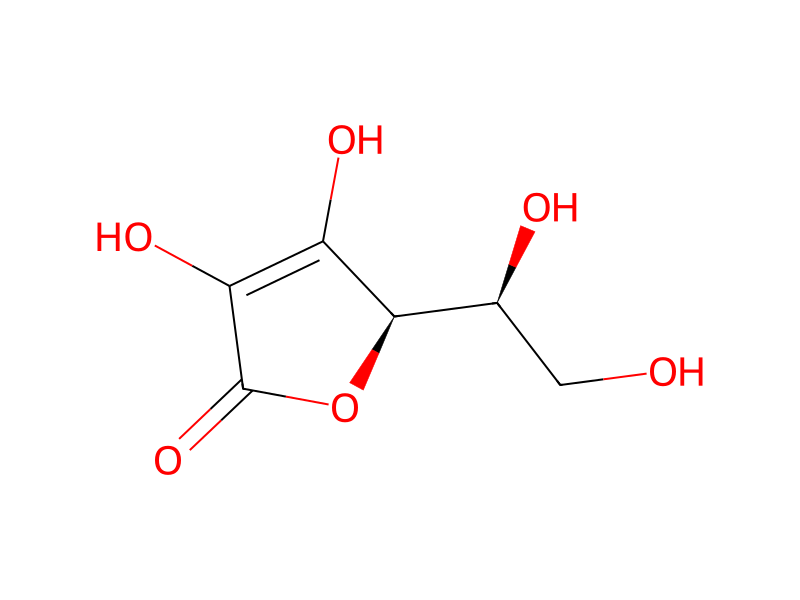
[OH:1][CH2:2][C@@H:3]([C@H:5]([C@@H:7]([C@@H:9]([CH2:11][OH:12])[OH:10])[OH:8])[OH:6])[OH:4].C([O-])([O-])=O.[Ca+2]>OCC(CO)O>[OH:8][C:7]1[C@@H:5]([C@@H:3]([OH:4])[CH2:2][OH:1])[O:6][C:11](=[O:12])[C:9]=1[OH:10]Participants
Reactant 2
Product 1
Reagents, catalysts & solvents 1
Procedure
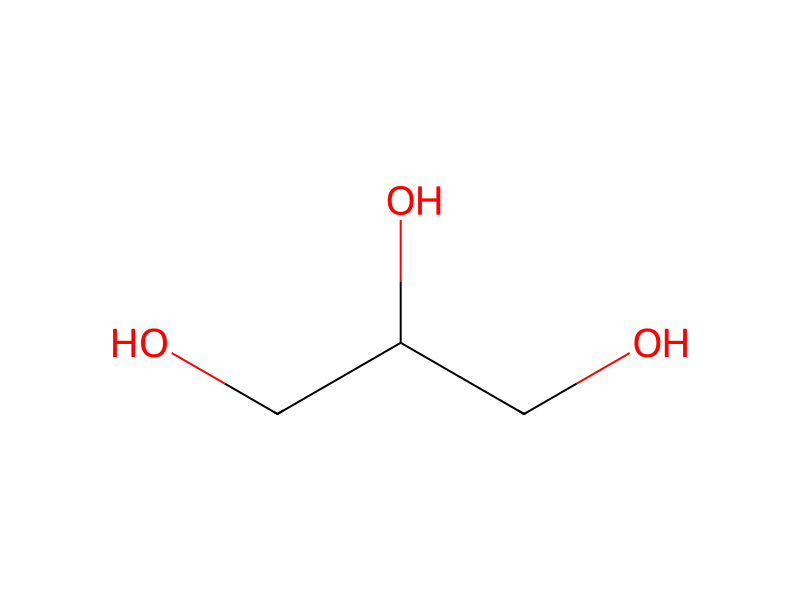
3 ml of the seed culture were transferred into 500 ml Erlenmeyer flasks containing 50 ml of the production medium containing 8.0% D-sorbitol, 5.0% baker's yeast, 0.05% glycerol, 0.25% MgSO4.7H2O, 3.0% corn steep liquor, 1.5% CaCO3 and 0.15% antifoam. The cultivation was carried out at 30° C. with 180 rpm for 45 h on a rotary shaker. Then, the concentration of vitamin C produced was measured by HPLC at a wavelength of 264 nm with the system which was composed of a UV detector (TOSOH UV8000; TOSOH Co., Kyobashi 3-2-4, Chuo-ku, Tokyo, Japan), a dualpump (TOSOH CCPE; TOSOH Co.), an integrator (Shimadzu C-R6A; Shimadzu Co., Kuwahara-cho 1, Nishinokyo, Chukyo-ku, Kyoto, Japan) and a column (YMC-Pack polyamine II; YMC, Inc., 3233 Burnt Mill Drive Wilimington, N.C. 28403, USA), As a result, 118.1 mg/L of vitamin C was produced.
Workup
- additioncontaining 50 ml of the production medium
Sources & evidence
- ORD record
- ord-3949b92038974884af78e0dc6d9a755a
- Source dataset
- uspto-grants-2008_03
- Patent number
- US07341854B2
Reaction notes
Loading…