Acetonitrile → 5-(4-Bromo-2-fluorophenyl)-2-methyloxazole
Reaction equation

C(O)(=O)C.C(O)(=O)C.IC1C=CC=CC=1.FC(F)(F)S(O)(=O)=O.[Br:24][C:25]1[CH:30]=[CH:29][C:28]([C:31](=[O:33])[CH3:32])=[C:27]([F:34])[CH:26]=1.C(=O)([O-])O.[Na+].[C:40](#[N:42])[CH3:41]>>[Br:24][C:25]1[CH:30]=[CH:29][C:28]([C:31]2[O:33][C:40]([CH3:41])=[N:42][CH:32]=2)=[C:27]([F:34])[CH:26]=1Participants

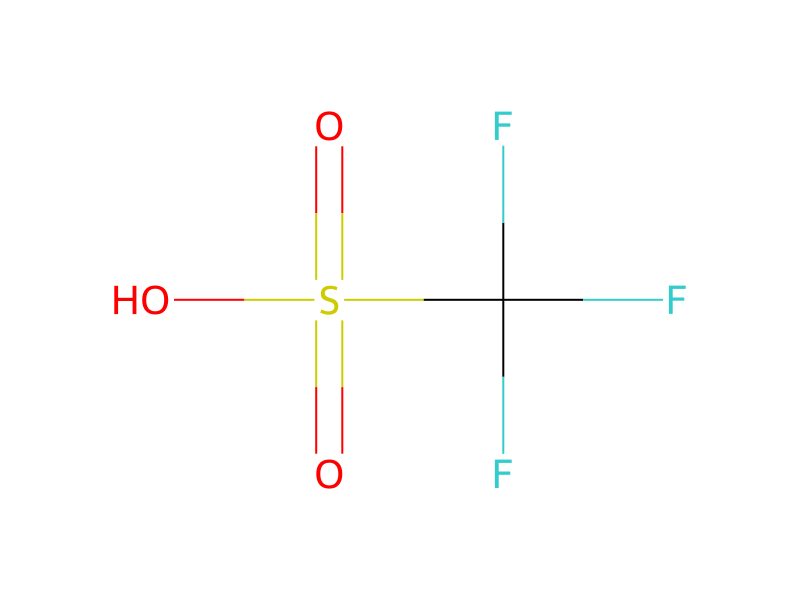



Procedure
To a suspension of iodobenzene diacetate (6.7 g) in acetonitrile (100 mL) was added dropwise trifluoromethanesulfonic acid (3.7 mL), and the mixture was stirred at room temperature for 30 min. A mixture of 1-(4-bromo-2-fluorophenyl)ethanone (6.7 g) in acetonitrile (20 mL) was added to the reaction mixture, and the mixture was heated under reflux for 2 hr. The reaction mixture was allowed to cool to room temperature, and neutralized with saturated aqueous sodium hydrogen carbonate solution, and the solvent was evaporated under reduced pressure. The residue was extracted with ethyl acetate, the extract was washed with saturated brine and dried over anhydrous magnesium sulfate, and the solvent was evaporated under reduced pressure. The residue was purified by silica gel column chromatography (ethyl acetate/hexane) to give the title compound (2.6 g).
Workup
- additionwas added to the reaction mixture
- temperaturethe mixture was heated
- temperatureunder reflux for 2 hr
- temperatureto cool to room temperature
- customthe solvent was evaporated under reduced pressure
- extractionThe residue was extracted with ethyl acetate
- washthe extract was washed with saturated brine
- dry with materialdried over anhydrous magnesium sulfate
- customthe solvent was evaporated under reduced pressure
- customThe residue was purified by silica gel column chromatography (ethyl acetate/hexane)
Sources & evidence
- ORD record
- ord-9cabebaa5da34ca1a3937169f1329132
- Source dataset
- uspto-grants-2014_12
- Patent number
- US08901309B2
Reaction notes
Loading…